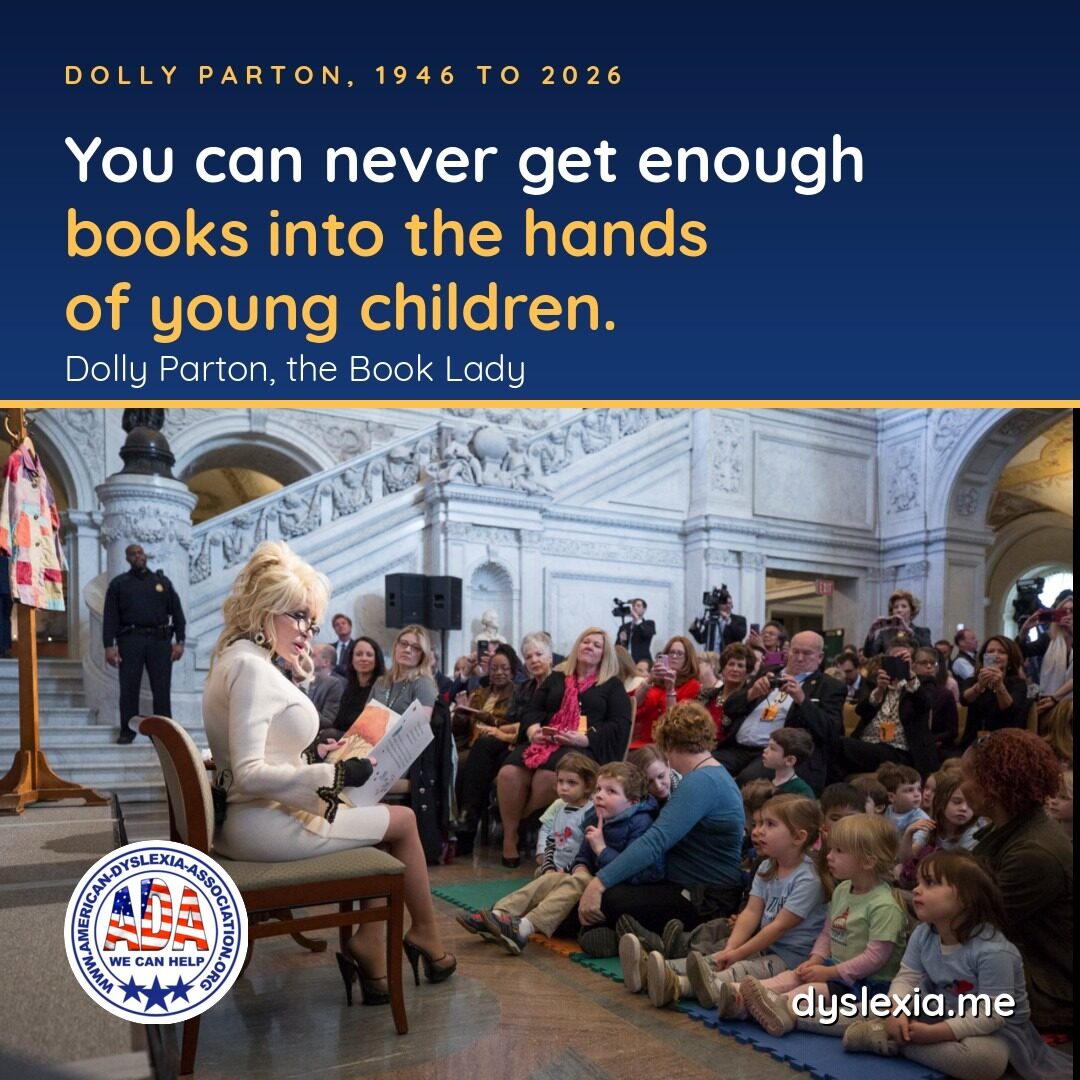
Dolly Parton died on Tuesday, August 25, in Nashville. She was 80. Her publicist said she faced a brief battle with cancer and died peacefully, and her family will hold a small private service. In place of flowers, they asked people to give to her Imagination Library.
That request tells you what she wanted remembered. Not the 3,000 songs, the eleven Grammys, “Jolene” or “9 to 5.” The books.
Since 1995, her Imagination Library has mailed a free book every month to each enrolled child, from birth until the child turns five. There is no income test. A parent registers a name and an address, and the book arrives addressed to the child. By the week of her death the program had given away more than 332 million books, and it sends about three million more every month across the United States, Canada, the United Kingdom, Ireland and Australia. Roughly one American child in seven under the age of five gets a book from Dolly in the mail.
The father who could not read
She built all of it for one man.
Robert Lee Parton farmed tobacco in the mountains of East Tennessee. He came from a large family, was needed at home, and never went to school. He never learned to read or write. Dolly, the fourth of his twelve children, was born in a one-room cabin on the Little Pigeon River, and she said for the rest of her life that her father was one of the smartest people she ever knew. She credited him for her business sense.
“My Daddy couldn’t read and write, and we were just mountain people,” she said. “Daddy was always kind of embarrassed.” He had decided the door was closed: “Daddy thought it was just something he couldn’t learn after he was grown, so he never tried to learn to read and write.”
When she started mailing books to children in her home county in 1995, she told him: “There are millions of people around this world that can’t read and write. You’re not the only one. You don’t need to feel embarrassed about that.” She asked him to help her with the program. The children of Sevier County started calling her the Book Lady, and she said her father thought that was the grandest thing. Before he died in 2000, the year the program went national, he told her the Imagination Library was probably the most important thing she had ever done.
Why this belongs on a dyslexia website
Lee Parton was not dyslexic, as far as anyone knows. He never had the chance to find out. But if you are raising a dyslexic child, you recognize the two things he carried: the embarrassment, and the conviction that reading belongs to other people.
A dyslexic child tends to reach that same conviction by second grade. She watches the class take off while she is still sounding out the same word, and she draws a conclusion about herself. Undoing that conclusion takes more work than teaching the letters ever did.
The numbers make this urgent. In the 2024 National Assessment of Educational Progress, 40 percent of American fourth graders scored below the basic level in reading, the highest share since 2002. More fourth graders now read below basic than read at a proficient level.
Dolly’s answer was to get books into homes before any of that could start, and researchers have measured what that does. Children enrolled in the Imagination Library for three years or more arrive at kindergarten ahead of their peers in letter naming, print concepts and phonemic awareness. In one state study, enrolled children were nine times more likely to be read to four or more days a week. Those are the exact skills a dyslexic child finds hardest.
A book in the mail does not prevent dyslexia and does not cure it. What it does is give the child a running start on the skills that matter most, and it makes reading together an ordinary part of the household. The child meets school having been read to a thousand times.
That second part matters more than most parents realize. A dyslexic child who is read to takes in the vocabulary, the sentence patterns and the shape of a story without decoding a single word. Her listening keeps pace with her intelligence while her decoding catches up. A child who has never been read to arrives at the reading struggle with nothing to fight for, because she does not yet know what a book holds.
The message in the mailbox
One detail of the program is worth pausing on. The book comes addressed to the child. A two-year-old cannot read the label, but a four-year-old can find her own name on it. Month after month, the mail carrier delivers something that says: this is yours, and you belong with books.
For a child who will later be told she is “behind,” that history is an asset. She owns sixty books before she has read one. She has a favorite. She knows how the story ends before she can decode the first page. The dyslexia is still there, and it will still need proper training. But she walks into that work as a reader with a problem to solve rather than as a non-reader.
Dolly said it herself: “If you can read, even if you can’t afford education, you can go on and learn about anything you want to know.”
Two books
The first book every enrolled child receives is The Little Engine That Could. It was the one book Dolly remembered having in the house as a girl.
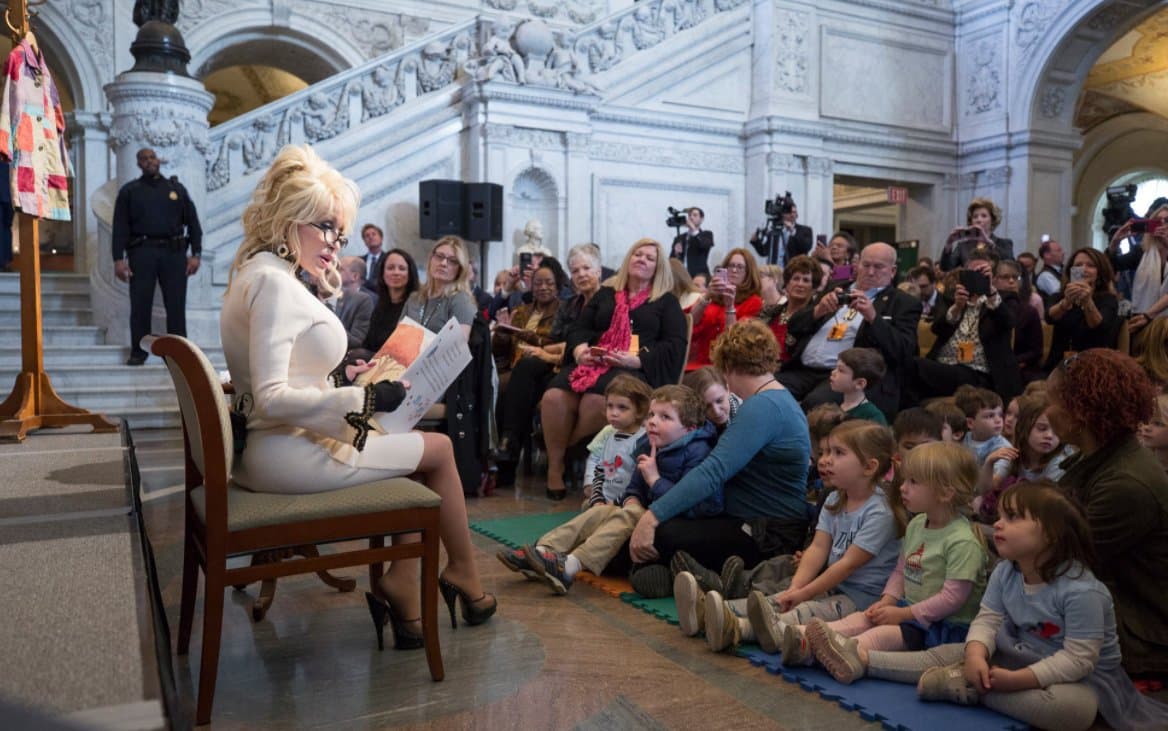
The 100 millionth book, presented at the Library of Congress in February 2018, was her own picture book, Coat of Many Colors, drawn from the song about a coat her mother stitched from rags and the classmates who laughed at it. The girl in the story is poor and mocked and knows she is loved anyway. That is a story a lot of our children need.
What you can do this week
Sign up. If you have a child under five, go to imaginationlibrary.com and check whether a local partner covers your area. Most of the United States is covered. It costs you nothing.
Keep reading aloud. If your child is older and finds reading hard, do not stop at the age when children are “supposed” to read on their own. Audiobooks count. What matters is that the stories keep coming while the decoding catches up.
Have it looked at early. If you suspect dyslexia, get an assessment. Every year you wait adds to the “reading is for other people” belief you will later have to undo. Our free worksheets are a place to start, and you can read about the American Dyslexia Association here.
Give, if you can. Her family asked that gifts in her memory go to the Imagination Library, and September is Imagination Library Month. The Dollywood Foundation said after her death: “The work ahead has never felt more meaningful, and we will carry it forward.”
She had one more line that we will keep on the wall: “You can never get enough books into the hands of young children.”
Thank you, Dolly.
Reading, and being underestimated because of it, keeps turning up in famous lives. In 2026 Charles Spencer said he believes his sister Diana, Princess of Wales, was dyslexic. Here is what the record actually shows.
The American Dyslexia Association is a nonprofit organization in Osprey, Florida, supporting children, families, educators, and adults affected by dyslexia and other reading and writing differences.