Every Tuesday, we open up one lesson of the Dyslexia Trainer Certification Program here on the blog, all 48 of them, one week at a time. Whether you are a teacher, a parent, or an education professional, this series shows you exactly what certified dyslexia trainers learn, and how the program works from the inside.
This week: Symptom Training in Language Arts. Letters, Words, and Real-World Use
Symptom training is the moment when preparation becomes performance: after attention and perception have been strengthened, we practice the actual skills of school. Letters, words, spelling, handwriting, reading, and short writing are worked through tight, repeatable cycles: model, guided practice, independent try, quick check. Often one word or one pattern per session, using all channels, so gains are accurate first and then fluent enough to transfer into daily classwork.
What this lesson is about
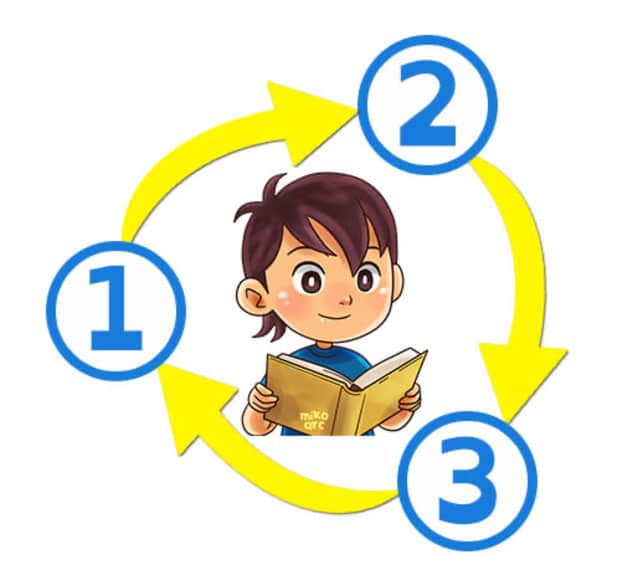
Symptom training is the “now we do it” phase of the AFS Method: after Attention and Function (perception) prepare the ground, we practice the actual skills, letters, words, spelling, handwriting, reading, and short writing. Using all channels (see–hear–say–write–mean), we target one concrete focus at a time, often one word or one pattern per session, and work it through a tight cycle: model → guided practice → independent try → quick check. Students highlight the tricky bit, tap and say sounds while writing, apply the rule or pattern, and use the word in a sentence; short reading aloud and micro-dictations reinforce accuracy. We track accuracy first, then fluency, so gains stick and transfer to classroom work, with parents easily joining in for brief daily practice.
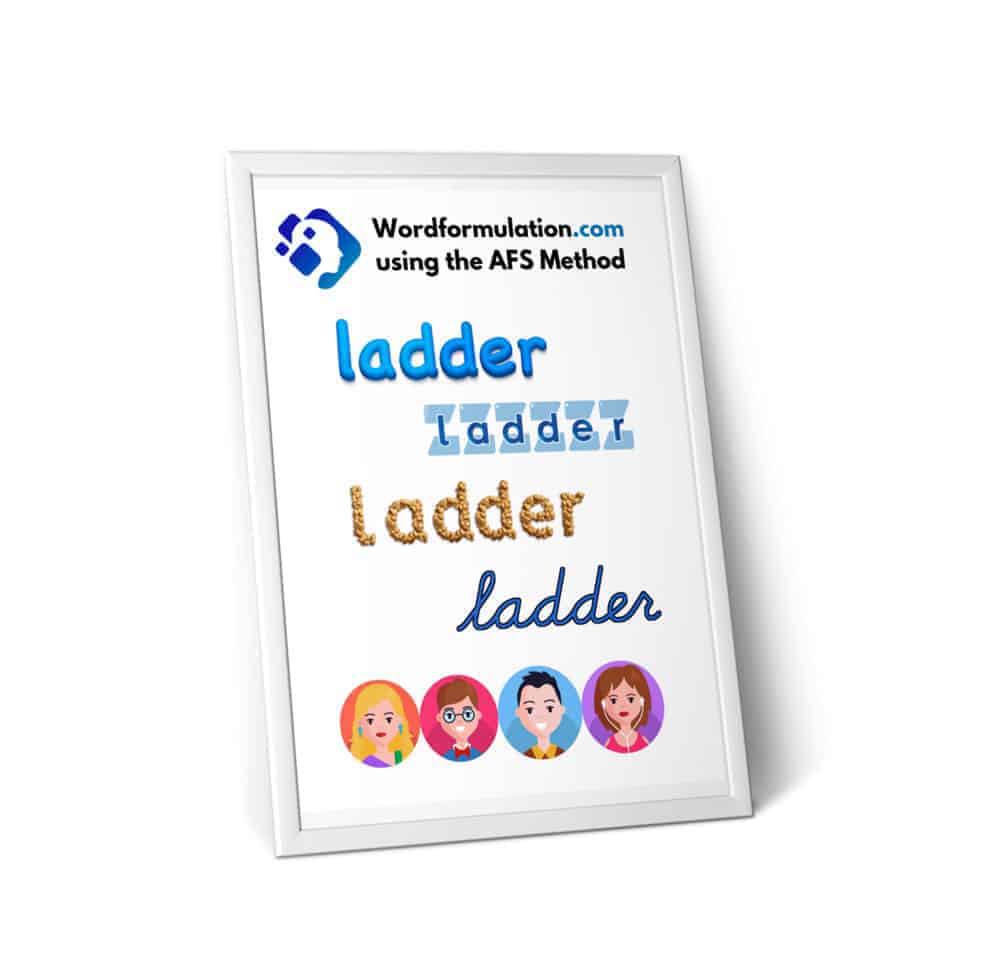
Trainer note: Offer all six channels and encourage learners to combine them. Over time, each student discovers which mix is most effective, our goal is flexible, independent strategy use.
What you will learn in Lesson 13
- The practice cycle: model, guided practice, independent try, quick check
- Why one word or one pattern per session works
- Using all learning channels: see, hear, say, write, mean
- Getting gains to transfer into daily classwork
About the Dyslexia Trainer Certification Program
Since 1997, more than 17,000 dyslexia trainers in 64 countries have been certified. The certification gives you more than knowledge: all the tools you need to actually work with dyslexic children are included as well. Worksheets, training programs, assessment materials, everything ready to use in your practice. You get the whole package.
The program is accredited by the American Dyslexia Association (ADA) and follows the training standards of the International Federation of Dyslexia and Dyscalculia Associations (IFDDA).
Catch up and start free
Lesson 1 is free for everyone. Register in a minute and see the program from the inside: dyslexiacertificate.com
You can find all published lessons of this series under the tag Lesson Series.