Every Tuesday, we open up one lesson of the Dyslexia Trainer Certification Program here on the blog, all 48 of them, one week at a time. Whether you are a teacher, a parent, or an education professional, this series shows you exactly what certified dyslexia trainers learn, and how the program works from the inside.
This week: From Understanding to Action. Roles and Strategies in the AFS-Method
Real progress happens when the child, parents, teachers, and specialists pull in the same direction. This lesson examines the unique contribution each person brings, and how the three components of the AFS-Method, attention training, function training, and symptom training, work together in practice. It also shows what happens when collaboration fails, and how trainers keep everyone motivated and aligned.
What this lesson is about
Supporting a child with dyslexia or dyscalculia requires more than isolated interventions, it demands a coordinated effort from everyone involved in the child’s learning journey. The AFS Method emphasizes that genuine progress is achieved when the child, parents, teachers, and specialists work together toward shared goals. In this lesson, we examine the unique contributions each person brings to the process, as well as the importance of building understanding, fostering motivation, and maintaining consistent communication. We also explore how the three components of the AFS Method, attention training, function training, and symptom training, form a comprehensive framework for effective, individualized support. Forging Understanding: Child, Parents, Teacher, Specialist It is crucial that a child with dyslexia or dyscalculia is met with understanding in their environment regarding their unique challenges. This understanding should primarily come from parents but also from teachers. The collaboration between parents, teachers, and specialists is essential. While understanding is a prerequisite, targeted support is an absolute necessity. However, effective support can only be successful if the child, parents, teachers, and specialists work closely together and complement each other.
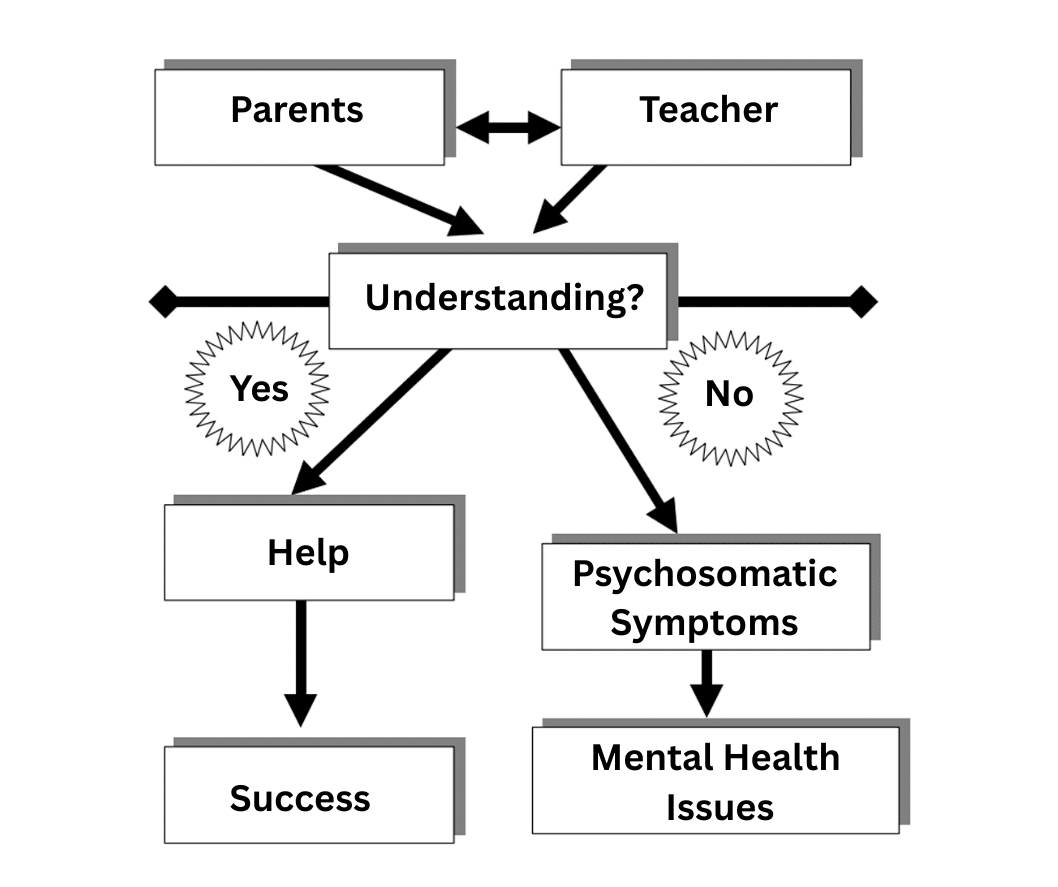
If this collaboration is successful, the child will eventually experience progress, which can be observed as improvements in learning. However, if collaboration is lacking or ineffective, the child may develop psychosomatic symptoms or even significant mental health issues over time, and training success will be significantly delayed.
If secondary issues have already developed, additional professionals such as medical doctors, psychologists, or psychotherapists should be consulted. However, this should always be decided on a case-by-case basis, depending on the severity of the developed secondary dyslexia or dyscalculia. Each of the involved individuals plays a specific role in ensuring successful training: The Child Once a test or assessment has confirmed the diagnosis of dyslexia or dyscalculia, it is helpful to have an age-appropriate discussion with the child about their struggles. Many children feel a sense of relief upon receiving an explanation, as well as an interest in learning more about it. Often, for the first time, they realize that they are not simply lazy, difficult, or unintelligent.
What you will learn in Lesson 8
- The roles of child, parents, teachers, and specialists
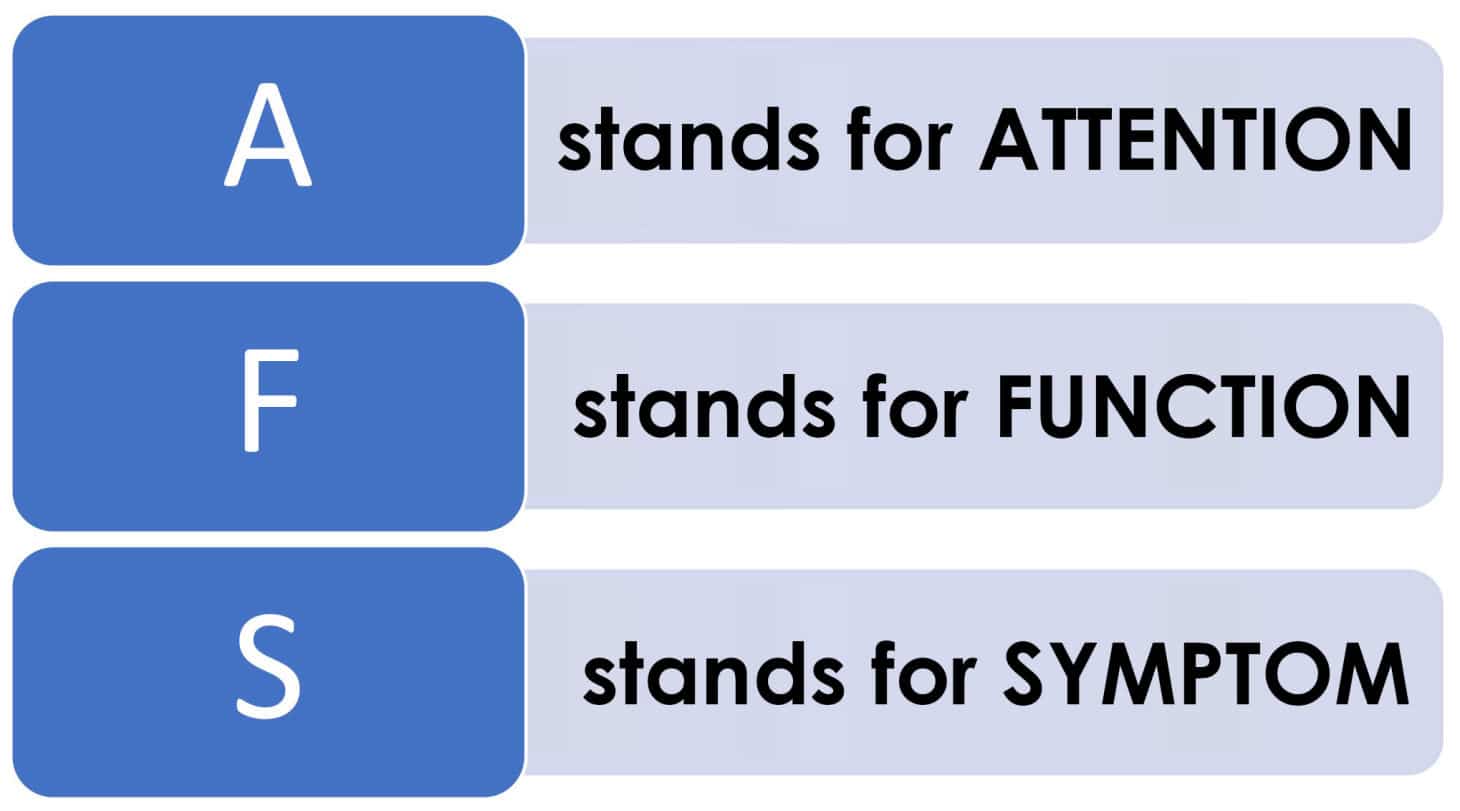
- How attention, function, and symptom training work together
- Building motivation and consistent communication
- What happens when collaboration fails, and how to prevent it
About the Dyslexia Trainer Certification Program
Since 1997, more than 17,000 dyslexia trainers in 64 countries have been certified. The certification gives you more than knowledge: all the tools you need to actually work with dyslexic children are included as well. Worksheets, training programs, assessment materials, everything ready to use in your practice. You get the whole package.
The program is accredited by the American Dyslexia Association (ADA) and follows the training standards of the International Federation of Dyslexia and Dyscalculia Associations (IFDDA).
Catch up and start free
Lesson 1 is free for everyone. Register in a minute and see the program from the inside: dyslexiacertificate.com
You can find all published lessons of this series under the tag Lesson Series.
