Are you looking to make a difference in the lives of children and adults with dyslexia? Look no further than the Certified Dyslexia Trainer Program on https://www.dyslexiacertificate.com.
A learning disability called dyslexia impairs a person’s ability to read and write. Peers frequently misunderstand it, which makes learning challenging for people who have trouble with it. The Certified Dyslexia Trainer Program can help with that.
This program will equip you with the skills necessary to assist dyslexic people in their daily lives beginning in March. Our course material will enhance your didactic and pedagogical abilities, assisting you in becoming a specialist in the subject of dyslexia.
We have been providing dyslexia education to clients in 64 different nations for the past 25 years. With our assistance, you will develop new training skills and gain knowledge about how such abilities might benefit dyslexic students.
Don’t pass up the chance to have an effect on dyslexics lives for the better. Simply sign up for our free online newsletter to get started with the Certified Dyslexia Trainer Program.
The Dyslexia Trainer Certification Program is a flexible, online course designed to teach individuals how to support children and adults with dyslexia. The program is open to anyone, including professionals in the fields of education, psychology, and medicine, as well as those who simply want to make a difference in the lives of others. Upon completion of the course, participants will be qualified to identify dyslexia and support individuals with the learning disorder. The program has been reviewed and accredited by various organizations and is conducted according to strict quality standards. The minimum study time is 10 months, with a maximum of 2 years, and tuition can be paid in monthly installments. Simply sign up for our free online newsletter to get started.
You can start the course at your own pace and schedule.
According to the International Federation of Dyslexia and Dyscalculia Associations, 1 in 5 people are affected by dyslexia. This is a learning difference that affects an individual’s ability to read and spell words.
Dyslexia affects more males than females
You may have heard that dyslexia affects more males than females. This is true.
You do not grow out of dyslexia
Dyslexia is a lifelong language-based learning difference that affects the brain’s ability to process written language.
It is the most common learning difference
Dyslexia is a learning difference that affects the way you think, read, and write. It is the most common learning difference, affecting one in five people.
80% of those in Special Education are dyslexics
People who are dyslexic often have difficulty processing what they see on the page or hear in their head into words they can understand and say out loud.
Some of the most brilliant people had dyslexia
Albert Einstein, Pablo Picasso, Winston Churchill, and Thomas Edison were all dyslexic. They had trouble reading and sometimes writing.
New IFDDA members
The International Federation of Dyslexia and Dyscalculia Associations keeps growing. Read about its newest members:
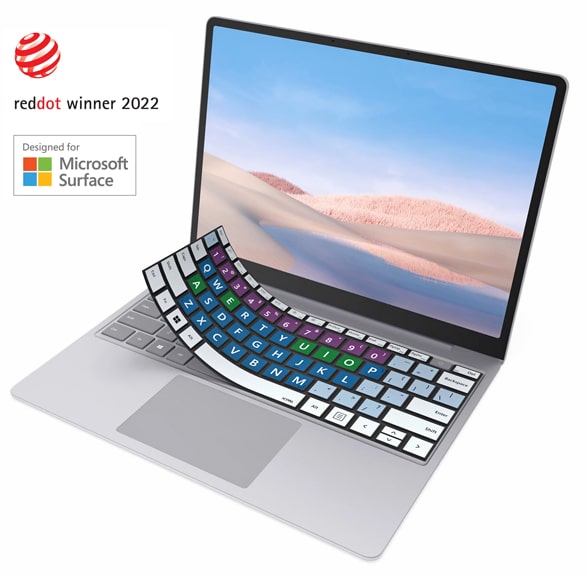
JCPal, a Canadian technology accessories company, has introduced a new keyboard protector for dyslexic students. Designed in collaboration with the Microsoft Devices Accessibility Team initially for the Surface Laptop Go and Surface Laptop SE devices, the VerSkin Inclusive Keyboard Protector is intended to make it easier for dyslexic students to navigate and familiarize themselves with the keyboard on their device.
The VerSkin is made with a black silicone material that sits snugly over the keyboard, protecting the device from dust and spills while adding a visual and tactile guide to the keys, making them easier to navigate.
Key features include:
Color-coded key zones differentiating consonant, vowel, number, symbol, and function key types
Large, bold, and high contrast key markings
Tactile L-shaped bumps marking the corners of the letter key area
Tactile dot bumps identifying Windows and Accessibility keys
The goal is to make the consonants and vowels easier to differentiate by using two cooler colors (blue, green) and marking the number keys in a warmer hue (purple). This vivid, high-contrast area is differentiated from the function and symbol keys which have light backgrounds and dark key markings. The colors on the protector have been chosen to be both easily identifiable (and color-blindness friendly) but also muted enough that they’ll be comfortable to use in a classroom environment where many students prefer to blend in with their peers.
Touch typing can be an essential and empowering skill for dyslexic students and the VerSkin features tactile bumps on the corners of the letter key area to help promote a consistent resting hand position and encourage the development of touch typing abilities.
The VerSkin recently won a coveted Red Dot award for its innovative design and thanks to its low cost and simple but effective approach it’s the type of product we’d like to see more of to support dyslexic students.
Fingerprint for Success (F4S) is a technology that helps you to understand and bring out the best in yourself and others at work. At F4S, we have a vision to inspire the workplaces of the future where cognitive diversity is not only embraced, it is celebrated. We believe everyone deserves psychological safety at work, now and into the future, where self-awareness and bringing your authentic self to work become the norm. With the increasing levels of dyslexia diagnoses and neurodiverse individuals entering the workforce, F4S has launched a first-of-its-kind study that asks the question, Can dyslexia be a superpower in the workplace?
The call for greater research in the field of dyslexia is driven by the need to better understand and advise workplaces and professionals who have contact with adults with dyslexia on how to best tap into the talents and opportunities unique to these individuals. Adults with dyslexia have been noted to possess talents in areas such as empathy, good oral communication skills, creativity, and problem-solving ability.
At F4S, we aim to add a new lens to the existing research by uncovering the unique talents and cognitive biases of individuals with dyslexia at work. This research will help make it possible for those with dyslexia to thrive and realize their full potential at work, and to help leaders to provide a supportive workplace that embraces and celebrates cognitive diversity.
About Fingerprint for Success (F4S) Fingerprint for Success is a professional & personal development platform for individuals & teams to make amazing things happen at work and in life!
The recent shift towards remote working has made it possible to see how differently-abled people, including those with dyslexia, can integrate into the workforce with ease. Inclusivity is beneficial to both workers and business owners. With the right solutions and accommodations in place, talented prospective employees will feel confident and safe in applying for the opportunities you are offering.
Transform the Culture
Any new hires who are differently abled will never feel fully accepted in the workplace if your current employees aren’t made aware of how to behave appropriately around them. The leaders within your business should also be well-trained on what to expect during day-to-day operations and how to properly intervene if a conflict arises.
Although in-person sensitivity seminars can be held for employees, online courses may also be made available so that the training, which is undoubtedly necessary, does not interrupt productivity.
Since your employees have first-hand exposure to your workplace tactics, ensure that you allow them the opportunity to provide feedback on current inclusivity measures so that you are well aware of the extent of change that is needed.
Rethink Recruitment
When recruiting any talent, including those who are differently abled, it’s vital to ensure that the job description in your posts is enticing and attractive. Be sure to effectively communicate the job’s requirements, related responsibilities, and remuneration.
Consider including information on your organization’s inclusivity efforts, and ensure that employee testimonials are easy to find through a Google search. It may be worthwhile to create a social media post that boasts the quality of the working environment your company is offering.
Implement Solutions
When hiring a differently-abled person, it’s important to open up the conversation on what accommodations they require. Let them know that your organization will do everything possible to try to make the working day manageable for them.
Physical comfort: If your employee’s disability is physical, ensure that your office space is accessible and easy for them to navigate. If this isn’t possible, consider allowing them to work from home and implement the necessary remote working solutions to ensure that workflow is not disrupted.
Schedule: As long as they are meeting deadlines, differently-abled employees may require more flexible working hours to be able to fit in the additional doctor’s appointments or physical therapies they often need.
Communication: There are loads of new technologies and software that are helpful in accommodating disabilities like dyslexia. Apart from introducing these into your daily operations, consider checking if communication trends can be more inclusive. In-person or verbal communication may make things easier for those with disabilities.
Evaluate Processes and Procedures
If you’ve never paid attention to inclusivity measures before, it’s possible that policies within your company have been structured in a way that does not accommodate differently-abled people very well. All procedures, including disciplinary measures, the code of conduct, recruitment and termination processes, as well as operational expectations should be scrutinized and improved where possible.
Differently-abled people have a plethora of talent and value to bring to their employers, and with technology making it possible to implement accommodations, it’s easier than ever to help them become integral parts of your workforce. Take a close look at your current processes and procedures to help identify how you can transform your organization into a desirable workplace for differently-abled folk, including those with dyslexia.
The American Dyslexia Association is a non-profit organization that is geared toward improving the lives of those with dyslexia and dyscalculia. This is achieved by making information and teaching aids free and far more accessible. Find out more about these conditions at: www.dyslexia.me
If you’re a parent with dyslexia, you might find it difficult to work at a traditional 9-to-5 office job. Not only does this leave you with less time to spend with your child, your supervisors may not understand your needs, leaving you to struggle with lots of tasks. To figure out the next steps in your career, you can turn to the resources from the American Dyslexia Association. In the meantime, these tips can help you make a living as an entrepreneur!
Outline a Business Plan
No matter what kind of business model interests you, you need to begin by crafting a business plan that you can reference in the months ahead. You’ll want to include detailed descriptions of your planned offerings, a preliminary marketing and sales strategy, your estimated expenses and projected income, and the materials and supplies you’ll need to operate your business.
Marketing Your Company
Once you’ve made your products or services available for purchase, you need to start marketing your offerings in order to land your first customers. You’ll want to set up a website, create social media accounts for your business, and even give people the option to sign up for email newsletter updates from your company.
If you really want to make your company stand out, you’ll need to create a logo to establish your brand! This is one of the easiest ways to ensure that you make a memorable impression on your customers. If you’re launching your company on a tight budget, you might not want to spring for a graphic designer – but luckily, you don’t have to! With a free online logo design tool, you can choose your favorite style and icon, and the system will give you an array of logos to choose from with the option to change the fonts and colors.
Avoid Burnout
When you have dyslexia, projects that might seem simple and straightforward to someone else can feel more stressful for you. As a business owner, it’s especially important for you to maintain a manageable workload so that you don’t end up getting burned out. Startup Nation recommends planning out project deliverable deadlines so that you can give yourself full days off and setting clear expectations for clients, including boundaries around when they can expect phone or email responses from you.
Find Childcare
As you adjust to working from home, you may find that on exceptionally busy days, it’s too hard to balance both work and childcare. You catch yourself wishing that you had someone else around to take on certain childcare responsibilities and keep your kids occupied and entertained! You might be interested in hiring a part-time nanny to look after your children when you need to attend video meetings or run work-related errands outside of the home.
Hire Your Team
Bringing a few additional members onto your team can make life much easier for you as an entrepreneur with dyslexia, as your employees can take on tasks that cause you undue stress. To find the right staff for your business, Tycoon Story recommends proactively seeking out freelance workers – they are likely to have flexible schedules, a wide variety of skills, and the ability to adapt to unexpected situations. Freelancers are often already accustomed to working with home-based business owners.
Dealing with dyslexia in adulthood can be challenging, but you also have the agency to choose your own path in life. As a parent, you might realize that pursuing entrepreneurship and working from home suits you best! With these tips, you’ll be able to thrive as a business owner with dyslexia.
Looking for resources to help you navigate your professional and personal life with dyslexia? The American Dyslexia Organization can help! Browse our blog today for articles packed with tips.
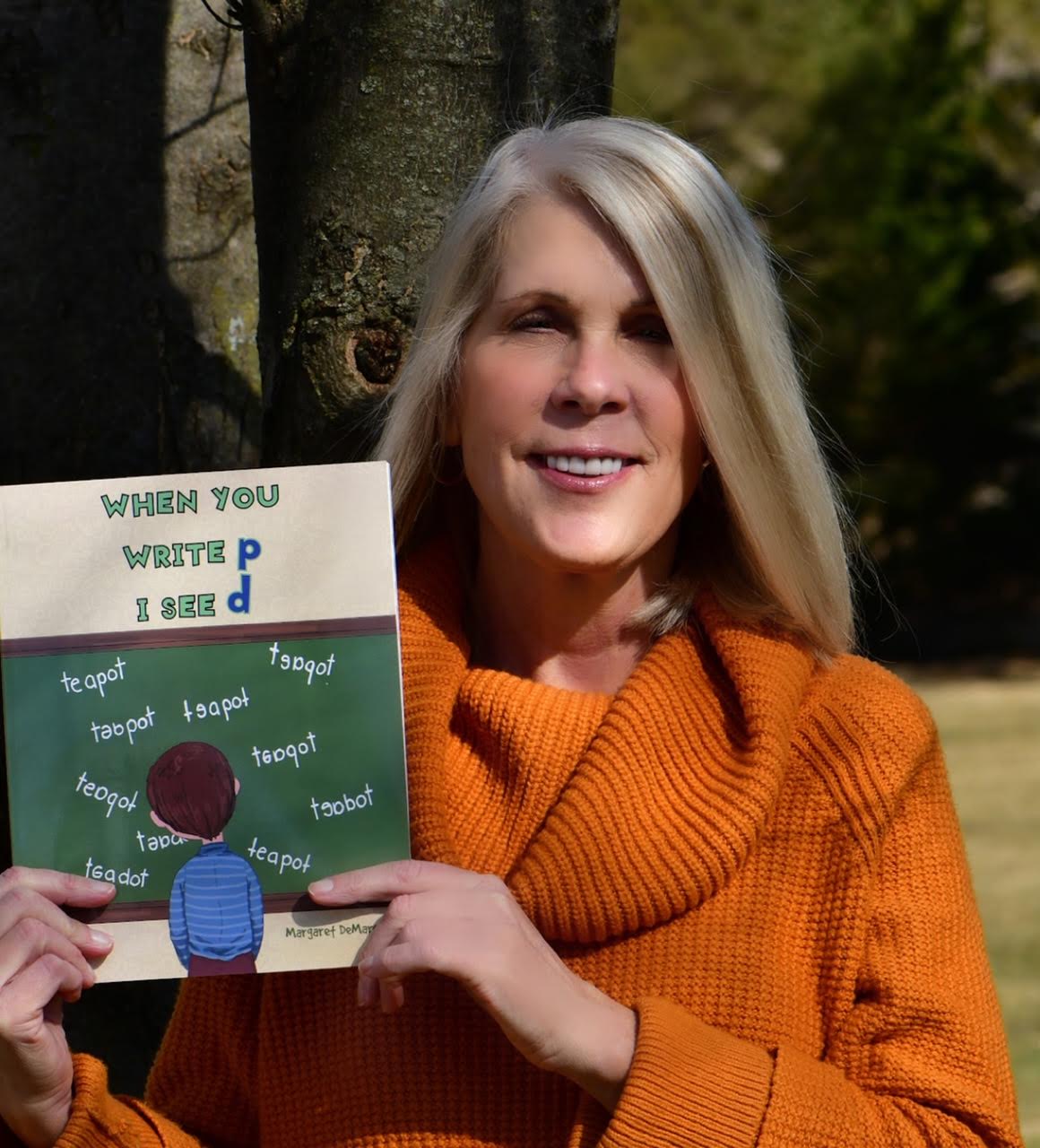
Attention to the social and emotional well-being of children has come to the forefront of education in recent years with good reason. As a special education teacher for the first 25 years of my teaching career, one of the greatest challenges I faced each day was helping children with dyslexia to believe in themselves and, most importantly, their ability to learn. While there is now a wealth of information to support and inform adults and educational professionals about dyslexia, little is available to help children understand and cope with their disability. Quite simply, I wrote When You Write p I See d to fill that void and to provide young children a necessary foundation of confidence and create a positive self-image to help them overcome the social and emotional challenges they face every day due to dyslexia or other learning disabilities. In short, the goal of this book is to empower students with the knowledge that they are not ‘dumb’ or ‘stupid’, but simply need to learn in a way that is different than their peers, and that’s okay! So often, students, particularly those who are dyslexic, feel isolated and alone, that they are the only ones facing these challenges as they quietly watch their classmates quickly and easily decode a text or story and wonder why the same task seems so difficult or even impossible for them. With each passing grade level, feelings of insecurity and self-doubt grow until giving up or acting out seems the best choice.
This story works to empower young learners, giving them the confidence to believe in themselves and achieve academic success by showcasing a character they can relate to, someone who looks like them, and faces the same challenges dealing with dyslexia. The character doubts himself, but learns he is special, smart, and ultimately, successful, learning how to read and all the joy that accomplishment brings. A serious topic, dyslexia is shared in a kid-friendly story, with illustrations and a rhyming, engaging tone that children will enjoy. Learning about new things, reading stories filled with fun and imagination, is not out of reach for any student. Learning should be fun, and my story, When You Write, I See d, shows every student that it is possible to enjoy reading and be a successful student.
Does your child love to doodle and draw? Do they learn best through pictures? Here’s a surprising way to nurture their creative skills and build their confidence – it’s called cartooning!
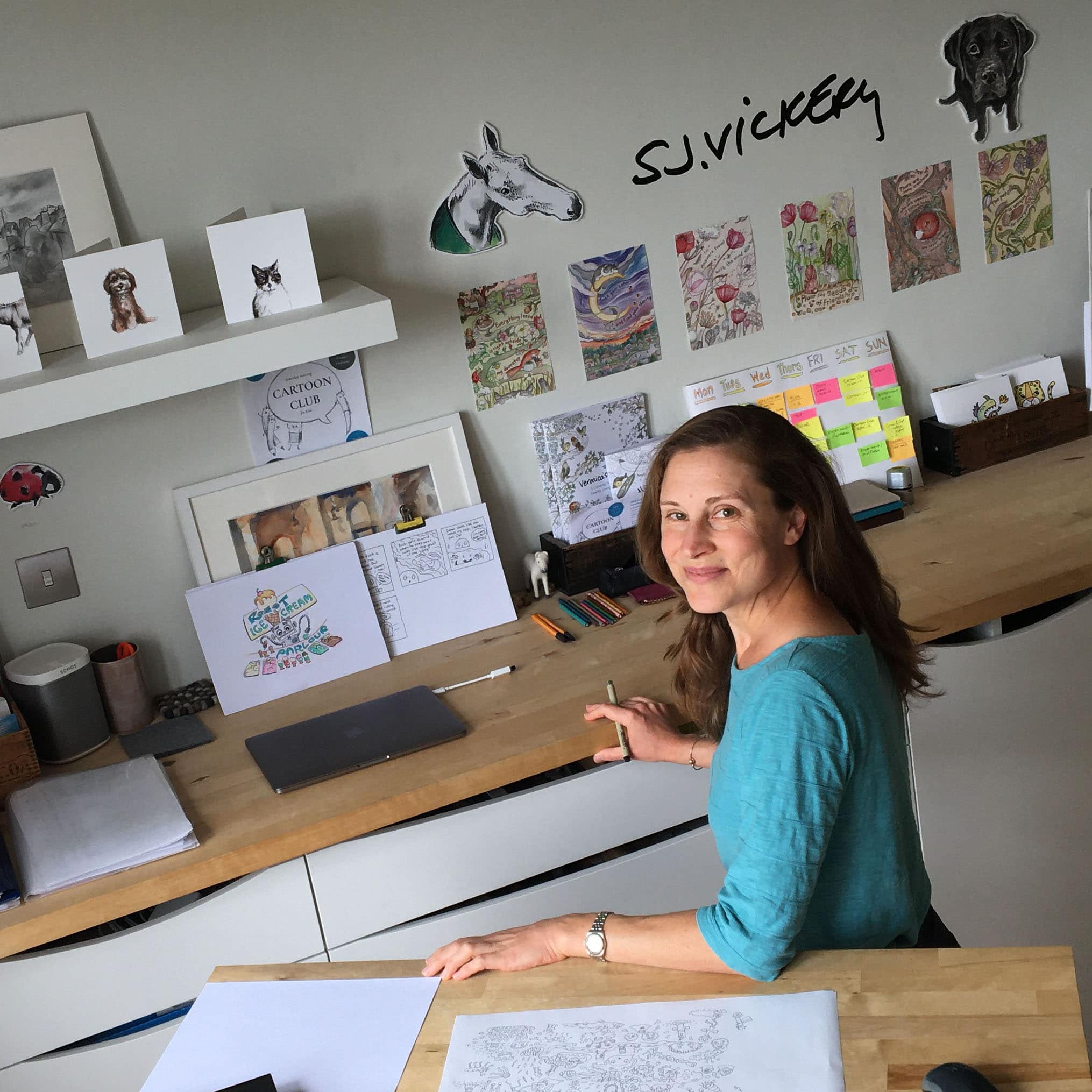
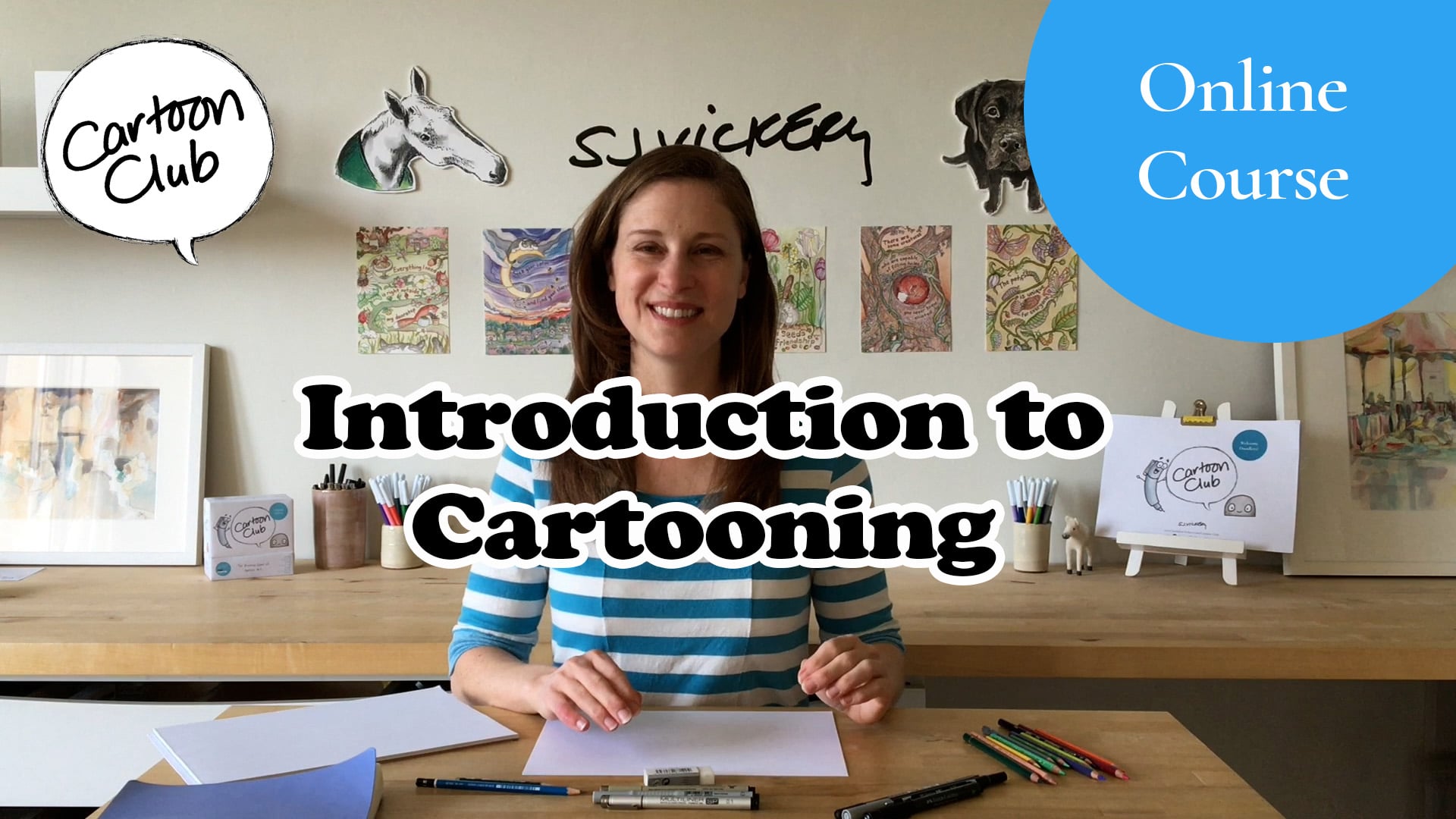
Meet artist, Sarah Jane Vickery. She’s taken the skills she learned during her own struggles with dyslexia, to develop Cartoon Club – a program that helps kids build confidence through the ageless art of cartooning.
Cartoon Club started out as an after-school activity in local schools but quickly grew in popularity with the children to become a program of weekly online art classes as well as a Cartoon Club Game and Online Course.
Sarah believes that a creative mindset is not just about thinking outside of the box and inventing new things, it’s also key to expressing thoughts, processing ideas and telling your own story. These are the tools that children develop by cartooning. By fostering the skills of creative thinking, children build confidence to adapt and change, not just when they are drawing, but in everyday life too.
In order to reach more children, Sarah has developed the Introduction to Cartooning Online Course. Based on her Cartoon Club class, it’s more than just a step-by-step instruction on how to draw. Sarah explains how she approaches each drawing, how she plays with ideas to design interesting characters, and the types of questions she asks herself when she get stuck or her picture isn’t working out how she wants. Her goal is to give children the skills to be creative with their drawings and have the confidence to solve challenges when they’re working on their own.
Cartooning has the connotation of being light-hearted or even silly, but it’s that very freedom to think outside of the box that Sarah says enables students to free their imagination and come up with new ideas they never thought possible. It’s a real confidence boost for dyslexic children who are often very strong visual learners.
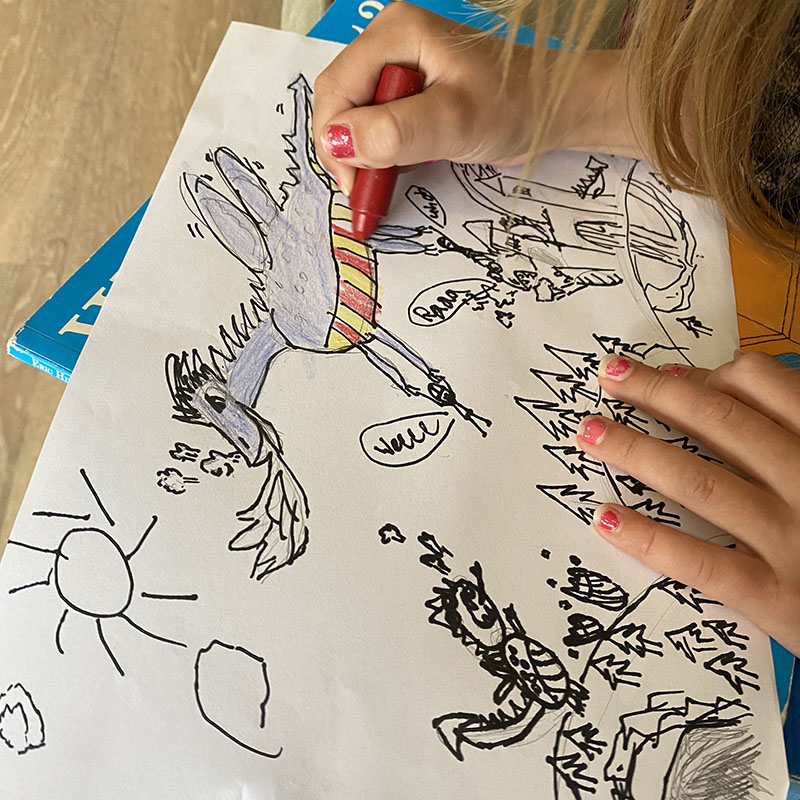
The Online Course has lots of creative challenges for children. In one exercise, Sarah shows children how to brainstorm to develop their ideas from a simple starting topic into a complete cartoon scene. That’s another great thing about cartooning – you don’t have to take so seriously that it stifles in your creativity. In fact, it is quite the opposite. Parents say that they are amazed at how imaginative their children are and what they are able to produce from the topics Sarah presents in Cartoon Club.
Sarah says that “as someone with dyslexia myself, I have always struggled to communicate in words. Drawing and cartooning have always made it so much easier. I find it’s this combination of brainstorming, juxtaposing different ideas and translating that into a cartoon narrative picture, that enables me to develop and communicate my ideas so much more effectively.”
If you’d like to learn more, Sarah has given us a little taste of what you’ll learn in the Online Course. If you’re wondering if it’s right for you, you can grab your pencil and have a go at drawing along with her in the FREE Course Taster. This sample exercise is one on Capturing Expression. It’s about 20 minutes long and all you need is a pencil and paper. It’s a lot of fun and you’re going to be surprised at what your children can produce. You can have a go too!
Online Course Description
This is an online cartooning course for anyone who loves to doodle and get creative. If you want to not only improve your drawing skills but also create your own cool characters and draw fantastic cartoon scenes, this is the course for you!
Who’s the Course for?
The course is aimed at both beginners, who have not done a lot of cartooning before, as well as keen doodlers who want to develop their own style. This online cartooning course is based on my Cartoon Club for Kids (ages 8-12) and Discover Your Inner Cartoonist (adult) online art classes. So no matter your age, if you enjoy putting pen to paper, I think you’ll be surprised at just how creative you can be!
What will you learn?
The fun way to be drawing simple cartoons in no time
The COVID-19 pandemic-induced lockdowns and related global recession of 2020 have created a highly uncertain outlook for the labor market. This phenomenon has accelerated both the arrival of the future of work and the reshoring of well-paying manufacturing jobs back to the United States.
A world of new technology is fundamentally changing how people work. The World Economic Forum’s Future of Jobs report, demonstrates how the required skills, abilities and tasks, called competencies, are shifting because of automation and labor force transformation initiatives. Their findings indicate:
Processing, manual, and transaction-type competencies such as coordination and time management, management of costs and finances, material resources and reading, writing, math and active listening are declining.
Creative, problem-solving and social competencies such as analytical thinking and innovation, active learning and learning strategies and creativity and initiative are trending up.
To cope with this fast-changing world, businesses need more creative and out of the box thinkers to manage digital age disruptions. The country will require more people like Henry Ford, Steve Jobs, Bill Gates, Thomas Edison, and Alexander Graham Bell. All were innovative thinkers and businessmen who were or are dyslexics.
Human Resource (HR) departments must learn how to adapt the hiring and on-boarding process to take full advantage of creative thinkers and dyslexic candidates, by not rejecting them because they do not fit the standard new applicant model. By using those outdated standards, they have been rejecting bright minds who are part of the next generation of inventors, designers and makers.
See how a young person with Dyslexia attempts college acceptance by requesting that they give him an opportunity to prove himself.
“I am dyslexic. I used to think it was a liability; that someone had to “take a chance on me” to give me a job or “let” me into school. I encourage you to think about how you measure ability. If you are using a process that relies solely on reading and writing effectively you are eliminating people who would be your best problem solvers. If you want new, different, better ideas you need someone who thinks differently. And for that you need someone with a brain that is wired differently”.
Although each person with dyslexia will have unique strengths and weaknesses, the learning difficulties are best known for causing challenges with reading, writing and spelling. Once thought of as being an impediment to a successful career in business, countless high-profile CEOs and entrepreneurs are helping dispel the misconception that dyslexia is a negative condition.
Dyslexia Handicap or Advantage?
Dyslexia is far more common among entrepreneurs than the general public. A study by Julie Logan of the Cass Business School in London showed that 35 percent of U.S. entrepreneurs—more than twice the national average—identified themselves as dyslexic. In a survey reported by CEO Magazine, 69,000 self-made millionaires and 40% of entrepreneurs were found to show signs of dyslexia.
Dyslexia affects about 15 percent of Americans. But this apparent weakness can also be a covert strength, especially in business. Shark Tank stars Daymond John, Barbara Corcoran and Kevin O’Leary all have dyslexia, and say it has helped them be better entrepreneurs.
So, what is dyslexia? Dyslexia is a genetic difference in an individual’s ability to learn and process information. Focusing on the changing demand for competencies expected to emerge in the future, shows how a typical dyslexic capability could support the required shift in effort in the workplace. New collar jobs will be created that match closely to the strengths of dyslexic thinking and could provide an opportunity for organizations to bridge the skills gap of the future.
However, the traditional approach to dyslexia in the workplace is typically directed at the remediation of dyslexic challenges. An alternative approach based on skills could allow for organizations to focus on both the remediation of learning difficulties and harnessing of strengths, better aligning a deeper understanding of dyslexic skills with organizational values.