Parenting a child with dyslexia presents unique challenges, but with the right resources and support, parents can effectively navigate their child’s educational and emotional needs. The article “Parenting a Child with a Disability” on DisabilityAdvice.org serves as a valuable guide for parents seeking to understand and support their dyslexic children.
Understanding Dyslexia
Dyslexia is a language-based learning disability characterized by difficulties with accurate and/or fluent word recognition, spelling, and decoding abilities.These challenges often stem from a deficit in the phonological component of language and are unexpected in relation to other cognitive abilities and effective classroom instruction.
Key Features of the Resource
The DisabilityAdvice.org article offers comprehensive insights into various learning disabilities, including dyslexia. Key aspects include:
Educational Support:The article emphasizes the importance of tailored educational strategies and interventions, such as specialized tutoring and school accommodations, to help children with dyslexia succeed academically.
Financial Assistance:It provides information on potential financial support options, such as Supplemental Security Income (SSI), for families of children whose learning disabilities significantly impact their daily functioning.
Parental Guidance: The resource offers practical advice for parents on creating a supportive home environment and advocating for their child’s needs within the educational system.
Why This Resource Is Helpful
Navigating the complexities of dyslexia can be overwhelming for parents.The DisabilityAdvice.org article consolidates essential information, making it accessible and actionable.By addressing both educational strategies and financial assistance, it empowers parents to advocate effectively for their children and access necessary support systems.
Additional Resources
For further support, parents can explore the following organizations:
Yale Center for Dyslexia & Creativity:Offers resources and expert advice for parents navigating dyslexia.
International Dyslexia Association: Provides comprehensive information on dyslexia, including research-based interventions and advocacy tools.
Learning Ally: A resource offering audiobooks and other tools to assist children with dyslexia in their learning journey.
By utilizing these resources, parents can equip themselves with the knowledge and tools necessary to support their child’s development and success.
A Story That Celebrates How What Makes Us Different Can Also Be Our Strength
Anthony Carroll, who goes by the nickname “Harries,” has made a name for himself and even become a celebrity for his talent and skills as a lifeguard. In his new picture book, he tells the story of how, as a child, he was bullied and made fun of for not being able to read or write. He is dyslexic.
Harries is a lifeguard on the world-famous Bondi Beach in Sydney, Australia and has been a series regular on Bondi Rescue, anunscripted TV series, since its beginning 19 years ago. He has been a lifeguard for nearly 30 years and has rescued an estimated 6,000 people in that time, many of those rescues documented in Bondi Rescue.
Behind his popularity as an adult celebrity, is a child that felt out-of-place and left out because he struggled with reading and writing. Harries wasn’t able to write his own name until he was in third grade. He was discouraged when people told him he had a disability. While he struggled with school, he found that he had natural talents that he could explore. He became a fast swimmer and record-holding surfer. As an adult, when he began lifeguarding, he found that his spatial awareness and quick reflexes helped him to save lives every day. After decades lifeguarding, he has honed those talents so that he can tell if a weather change will create dangerous conditions or where a cry for help is coming from.
“Everyone has something special to offer this world,” Harries says. “Sometimes we need to search a little deeper to find whatever that gift might be.”
Harries wanted to write a picture book for kids who are struggling the way he struggled as a child. With the help of his wife Emily, who cowrote the book as he still struggles with writing, Harries’ mission is to demonstrate the power of staying positive and looking forward to find your special place in the world. He also wants to encourage kids to be accepting of others and to appreciate the differences in other people while embracing their own unique talents.
In his inspiring story, Harries wants to make clear that he sees his dyslexia as an asset in saving lives. What made it hard for him to learn to read and write are skills that help him be the best lifeguard he can be.
Book information:
Harries: The lifeguard from Bondi Beach ISBN: 9781923011205 Price: $19.99 USD | $24.99 CAD Ages: 5 to 9 Available wherever books are sold
In the ever-evolving landscape of educational resources, innovative tools that cater to diverse learning needs are invaluable. For the millions of individuals worldwide who struggle with dyslexia, finding the right approach to language learning can make the difference between frustration and success.
Enter Wordformulation.com — a platform dedicated to enhancing language acquisition through the proven AFS Method. Developed by Dr. Astrid Kopp-Duller, this structured approach to word formulation offers hope and practical solutions for individuals with dyslexia and other learning challenges.
What Is the AFS Method?
The AFS Method is far more than just another learning technique. Standing for Attention, Function, and Symptom training, it represents a comprehensive, research-backed approach designed specifically to address the unique challenges faced by dyslexic individuals.
Here’s how each component works:
Attention Training focuses on helping learners concentrate when working with letters, words, and symbols. Dyslexic individuals often experience attention lapses specifically when dealing with written language — not due to lack of effort, but because their brains process information differently.
Function Training targets the underlying sensory perceptions that are essential for reading and writing. This includes visual differentiation, auditory memory, spatial orientation, and other cognitive functions that form the foundation of literacy skills.
Symptom Training addresses the actual difficulties in reading and writing — but only after attention and functional skills have been strengthened. This is crucial: traditional approaches often jump straight to symptom training, which is why they frequently fail dyslexic learners.
By addressing all three areas in a coordinated manner, the AFS Method ensures that learners receive targeted support tailored to their specific needs.
Exploring Wordformulation.com
Wordformulation.com serves as a practical treasure trove of resources for teaching and training in the English language. The platform offers a variety of exercises and materials designed with flexibility in mind — resources can be used both online and offline, accommodating educators, learners, and parents in various settings.
The website is thoughtfully organized into grammatical categories:
This structure allows users to focus on specific areas of interest or difficulty, making it easy to create customized learning paths based on individual needs.
Why This Matters for Dyslexic Learners
Dyslexia presents unique challenges in language acquisition that often require specialized strategies to overcome. Traditional teaching methods — which typically involve repetitive practice of the same material — rarely work for dyslexic learners. In fact, they often lead to frustration, decreased self-esteem, and a growing aversion to reading and writing.
The AFS Method, as implemented on Wordformulation.com, takes a fundamentally different approach. By first strengthening attention and functional skills, learners build a solid foundation that makes symptom-level work (actual reading and writing practice) far more effective.
The benefits extend beyond just improved literacy skills:
Increased confidence as learners experience genuine progress
Reduced frustration through appropriately targeted exercises
Better self-understanding as individuals learn how their minds work
Long-term skill development rather than short-term memorization
Practical Application in Daily Learning
One of the greatest strengths of Wordformulation.com is its practicality. The resources are designed for ease of use by:
Educators looking for effective classroom materials
Parents supporting their child’s learning journey at home
Learners themselves working independently to improve their skills
Exercises can be completed online or printed for offline practice, accommodating various learning environments and preferences. The platform’s user-friendly interface ensures effortless navigation through different sections, making it a convenient tool for both daily practice and long-term learning strategies.
The Science Behind the Success
The development of the AFS Method by Dr. Astrid Kopp-Duller is grounded in decades of intensive work with individuals facing learning challenges. Since 1995, this approach has been refined through real-world experience with thousands of learners, contributing to its proven effectiveness.
The method acknowledges a fundamental truth that many educational approaches overlook: dyslexic individuals are not “weak students” — they are people with a different way of processing information. This shift in perspective is transformative, both for the learners themselves and for those who support them.
Getting Started
Whether you’re an educator seeking effective teaching materials, a parent supporting your child’s learning journey, or a learner striving to improve your language skills, Wordformulation.com offers resources that can make a meaningful difference.
The platform is free to explore, and the structured organization makes it easy to find exactly what you need. Start by identifying areas of difficulty, then work through the relevant exercises systematically.
Remember: progress in language learning, especially for dyslexic individuals, is rarely linear. Celebrate small victories, maintain consistency, and trust in the process.
Conclusion
In a world where literacy is fundamental to success, tools like Wordformulation.com and approaches like the AFS Method are more important than ever. By offering specialized, research-backed resources that address the root causes of reading and writing difficulties, these platforms are helping countless individuals unlock their full potential.
Explore Wordformulation.com today and discover how a different approach to language learning can open new doors for you or someone you care about.
For more information about the AFS Method and comprehensive training in supporting dyslexic learners, visit www.dyslexiacertificate.com
Wordformulation.com is a resource provided by the Austrian Dyslexia Association (EÖDL), celebrating 30 years of service to individuals with dyslexia and dyscalculia.
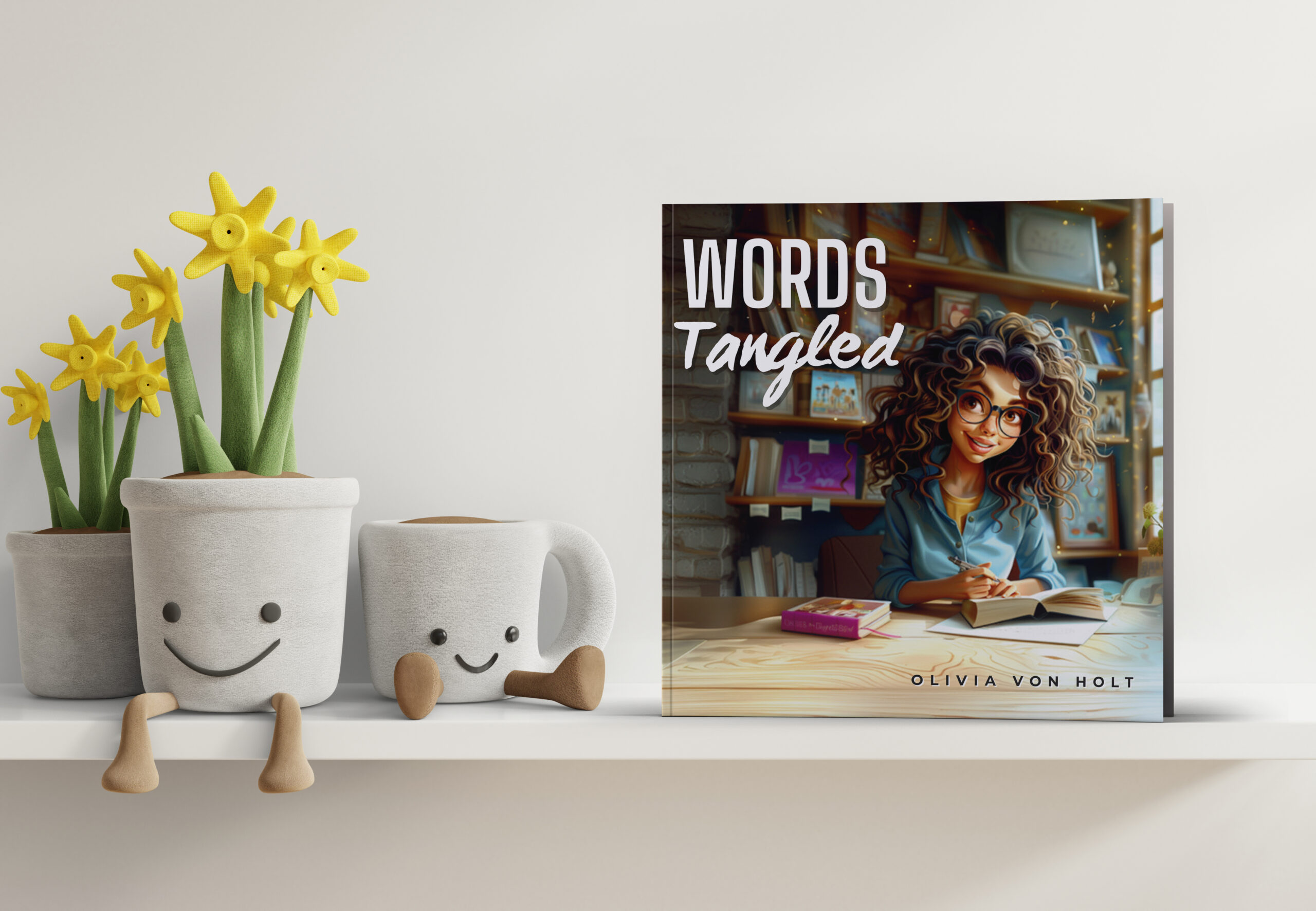
Today, we dive into something deeply personal and incredibly important: the latest children’s book by Olivia Von Holt, “Words Tangled.” This narrative is not just another book; it stands as a beacon of hope and a tool for empowerment, especially for young readers navigating the challenging waves of dyslexia.
The Heart of “Words Tangled”
Crafted from Olivia’s own experiences, “Words Tangled” portrays the journey of a young girl growing up in two different cultures while grappling with dyslexia. This book aims to provide more than just a story; it’s designed as a strategic aid to help children and their caregivers understand and manage learning disabilities.
Why This Book Matters for Dyslexics
Dyslexia, a language-based learning disability, significantly impacts reading, writing, and spelling. Those with dyslexia often struggle with phonological processing, making it difficult to decode words, which affects their reading fluency and comprehension. “Words Tangled” introduces characters and scenarios that resonate with these challenges, making the invisible hurdles of dyslexia visible and comprehensible.
Tools and Motivation Embedded in the Story
A core element of Olivia Von Holt’s “Words Tangled” is the integration of multi-sensory learning strategies, which are crucial for readers with dyslexia. These multi-sensory teaching methods involve using sight, sound, and touch to help connect language to words, benefiting those who struggle with traditional reading methods. This approach aligns with educational strategies that emphasize engaging multiple senses to enhance learning and retention for children with dyslexia.
Overall, “Words Tangled” by Olivia Von Holt is more than just a book; it’s a journey and a tool designed to inspire, educate, and support not only children with dyslexia but also parents, educators, and anyone involved in nurturing challenged readers. By sharing personal experiences and expert insights, Olivia aims to empower and equip her readers with the knowledge and tools they need to succeed and thrive despite their learning differences.
For those interested in exploring more or purchasing “Words Tangled,” it is available on Amazon and directly from Olivia’s website at www.oliviavonholt.com. For further inquiries, Olivia can be contacted at [email protected], and for more interactive updates, follow her on Facebook. Join Olivia Von Holt in spreading the word and making a difference. Let’s open the world of reading to all children, showing them that with the right tools and understanding, every page is within reach.
Sometime ago when I entered my acupuncturist’s well-lit, but tiny, four-chair waiting room filled with the fragrance of frankincense, a mom and her two children were getting settled. The mom’s lap served as a comfy chair for her daughter who was about two years old. The little pink bow in her daughter’s curly golden hair was about to fall off. The mom raised and tightened the bow. She struggled a bit to hold the daughter and a small electronic game to pacify her son who leaned against her. His right hand clutched tightly to the inside of his mom’s left elbow. His dark blue jeans, red cotton shirt, and red sneakers were new and well cared for, just as both children obviously were.
The mom and I smiled at each other and said, “Hello.” The youngsters and I simply smiled at each other, as I sat down.
When I began to proofread a manuscript, the handsome little blue-eyed fellow immediately lost interest in the electronic game and abandoned his mom’s arm. He came near, leaned over between my work and me, and peered at my words with deep interest. I held my manuscript, in its portfolio that kept it sturdy and offered him my pen and the blank back side of several pages so that he could “write.”
Ecstatic to be offered these tools and loving the attention, he scribbled lots of little waves, peaks, valleys, curves, and circles with joy for quite some time. I turned pages for him as if he were playing at a piano recital. He hugged my pen to his heart each time he finished a page. Sometimes he laughed a little between “sentences.” His mom, baby sister, and I watched as he filled almost four pages.
When this young “writer” completed his pleasant task, I asked him to tell me about what he had written. He said, “Oh. It’s a story!” Then he proceeded to “read” about his mom, his dad, his little sister, and their dog and even their goldfish. His totally surprised mom looked on in awe and smiled from ear to ear.
I swiftly gave this precious young “writer-in-the-making” the pages of his story along with my pen when the acupuncturist called me. As I said, “Goodbye,” my sincere hope was that his mom would continue to offer such writing fun to him daily.
In Getting Teens to Write: Writing for Real, I quote Octavia Estelle Butler who said, “… write every day, no excuses.”
Dyslexics and non-dyslexics alike often feel joy when they “write” at a tender age. Many writers of many ages feel joy when they write to express themselves. When we as parents, grandparents, step parents, single parents, foster parents, educators, teachers, homeschoolers, writing coaches, and friends give the gift of undivided attention to aspiring writers, we help them to see themselves in a positive light.
If any struggles arise, if we give encouragement, then we give them a precious gift that can help them to keep on keeping on and never give up their dream to write.
In Bloodchild and Other Stories, Octavia Estelle Butler said, “I pecked my stories out two fingered on the Remington portable typewriter” that she had begged her mother to buy for her when she was 10. Filled with ambition and drive, Butler also says that in junior high she asked Mr. Pfaff, her science teacher, to type one of her stories “the way it was supposed to be” for submission to a science fiction magazine. At age 12, she wrote the influential version for her Patternist series of science fiction novels.
Butler reached an enviable height of success as she continued to write each day, year after year. Think how fortunate she was to have help to keep her dream alive and to see it bloom.
Perseverance comes more easily when aspiring dyslexic and non-dyslexic writers are given thoughtful attention and useful instruction.
Just like the seedlings that grow and thrive beautifully when they receive fresh air, gentle sun, clean water, and love from their gardeners, the very young, the ‘tweens, the teens, and those beyond, who long to write, will succeed when given the greatest gifts of all—attention, careful instruction, thoughtful evaluation to help them get on track and stay on task, and genuine admiration from those who care about enhancing and protecting their excellent mental, emotional, physical, and spiritual health.
Having someone who truly cares and believes in aspiring writers helps them enormously to believe in themselves. And when they do believe in themselves, they can conquer obstacle after obstacle to win their writing goals and even go on to help other writers win, too.
Sources
Butler, Octavia Estelle. Bloodchild and Other Stories. New York: Seven Stories Press, 2005, p. 127.
Davis-Kyle, Linda. Getting Teens to Write: Writing for Real. Austin: WritngNow.com, 2022.
Helping Dyslexics to Write: Using Mind Maps for Fun. In progress. Excerpt reprinted here with permission.
Where: The Inner Universe of a Student With Divergent Learning
It was not too long ago, when my bright, creative third grader began to dread going to school, meeting each weekday morning with resistance, which at times was fierce.
The human need to belong to a group is rooted in survival. School age children feel this instinct acutely – at home, on the playground, and of course, in the classroom. For many students with learning differences, the primary objective in a traditional classroom is not learning, but acting, so as not to appear unlike the others. And still, it is not uncommon for these students to be the bullseye for bullies. More frustratingly, efforts to help these students (special classes, tutors, adjusted seating, etc.) often serve only to further define the separateness and validate to the child that they are different.
I would know, I lived this through my daughter. I am the Director of Admissions for Oakland School, and my daughter, Hadley, is also a student here. I will never forget picking her up after her first day at Oakland School Summer Camp, watching her bounce into the car, gleaming, ‘Mom! These kids are just like me!’
What I failed to fully appreciate until that moment was exactly how difficult her previous school experience had been for her.
I was witnessing a child who had just set down the cumulative weight of years of punishing self-talk because she was the only one in her class who couldn’t keep up, had a tutor, and in her mind was un-like everyone else. At Oakland, Hadley discovered a place where learning did not equate to the emotional pain of embarrassment and struggle. Hadley was relieved.
Margaret Shepherd, the founder of Oakland School, understood that learning in a traditional classroom is strained, if not near impossible, for a child who learns differently. She believed when a child feels truly safe in their environment, they can flourish. In the summer of 1950, Shepherd converted her historical family farm into Oakland School, a small co-ed day school and overnight summer camp program for elementary through middle school students. Set upon a backdrop of rolling hills, forests, horses and other farm animals, Oakland began by first bringing children who didn’t learn like everyone else, together.
How: Implementing The Oakland Way
Oakland School is founded on a commitment to the individual learner, and a community that backs this mission. Small class sizes and one-to-one instruction are hallmarks of an Oakland School Education.
At Oakland School children become confident self-advocates, curious learners, and grow moral character. ‘Where every student thrives’ is not just an idea, it’s a promise we have been keeping for the better part of a century.
The Oakland Way is grounded in the belief that once phonics foundations are solid, confidence is established, and the learning process can accelerate. The program uses a synthesis of several pioneering approaches including:
Oakland School teachers are well versed in these techniques, and most have advanced degrees and specializations – and some, decades of experience working with children who learn differently. One example is Oakland School’s horseback riding instructor, Sarah Bailey. For close to 30 years Sarah has been guiding Oakland students to respect, care for and ride a horse – helping these children to build confidence, set goals, focus, and work as a team. Believing children can – and will – attain success is at the core of an Oakland School education.
As Director of Admissions, the best part of my job is giving prospective students and their families a tour of the grounds. Oakland School, once just an 18th century farmhouse with outbuildings set on 450 acres, is a welcoming environment in every sense. Class sizes are small with an emphasis on multisensory and experiential learning. Foundations are built through individualized learning plans that are calibrated regularly. Children work at their own pace and to their own strengths.
Almost always on our tours we see a teacher working one-to-one with a student, children working independently or in small groups – with at least one volunteer eager to share what they love most about Oakland School. It is usually at this point of the tour, when, just like my daughter, the prospective student and family realize that learning can – and should – be a wonderful experience.
According to the International Federation of Dyslexia and Dyscalculia Associations, 1 in 5 people are affected by dyslexia. This is a learning difference that affects an individual’s ability to read and spell words.
Dyslexia affects more males than females
You may have heard that dyslexia affects more males than females. This is true.
You do not grow out of dyslexia
Dyslexia is a lifelong language-based learning difference that affects the brain’s ability to process written language.
It is the most common learning difference
Dyslexia is a learning difference that affects the way you think, read, and write. It is the most common learning difference, affecting one in five people.
80% of those in Special Education are dyslexics
People who are dyslexic often have difficulty processing what they see on the page or hear in their head into words they can understand and say out loud.
Some of the most brilliant people had dyslexia
Albert Einstein, Pablo Picasso, Winston Churchill, and Thomas Edison were all dyslexic. They had trouble reading and sometimes writing.
New IFDDA members
The International Federation of Dyslexia and Dyscalculia Associations keeps growing. Read about its newest members:
JCPal, a Canadian technology accessories company, has introduced a new keyboard protector for dyslexic students. Designed in collaboration with the Microsoft Devices Accessibility Team initially for the Surface Laptop Go and Surface Laptop SE devices, the VerSkin Inclusive Keyboard Protector is intended to make it easier for dyslexic students to navigate and familiarize themselves with the keyboard on their device.
The VerSkin is made with a black silicone material that sits snugly over the keyboard, protecting the device from dust and spills while adding a visual and tactile guide to the keys, making them easier to navigate.
Key features include:
Color-coded key zones differentiating consonant, vowel, number, symbol, and function key types
Large, bold, and high contrast key markings
Tactile L-shaped bumps marking the corners of the letter key area
Tactile dot bumps identifying Windows and Accessibility keys
The goal is to make the consonants and vowels easier to differentiate by using two cooler colors (blue, green) and marking the number keys in a warmer hue (purple). This vivid, high-contrast area is differentiated from the function and symbol keys which have light backgrounds and dark key markings. The colors on the protector have been chosen to be both easily identifiable (and color-blindness friendly) but also muted enough that they’ll be comfortable to use in a classroom environment where many students prefer to blend in with their peers.
Touch typing can be an essential and empowering skill for dyslexic students and the VerSkin features tactile bumps on the corners of the letter key area to help promote a consistent resting hand position and encourage the development of touch typing abilities.
The VerSkin recently won a coveted Red Dot award for its innovative design and thanks to its low cost and simple but effective approach it’s the type of product we’d like to see more of to support dyslexic students.
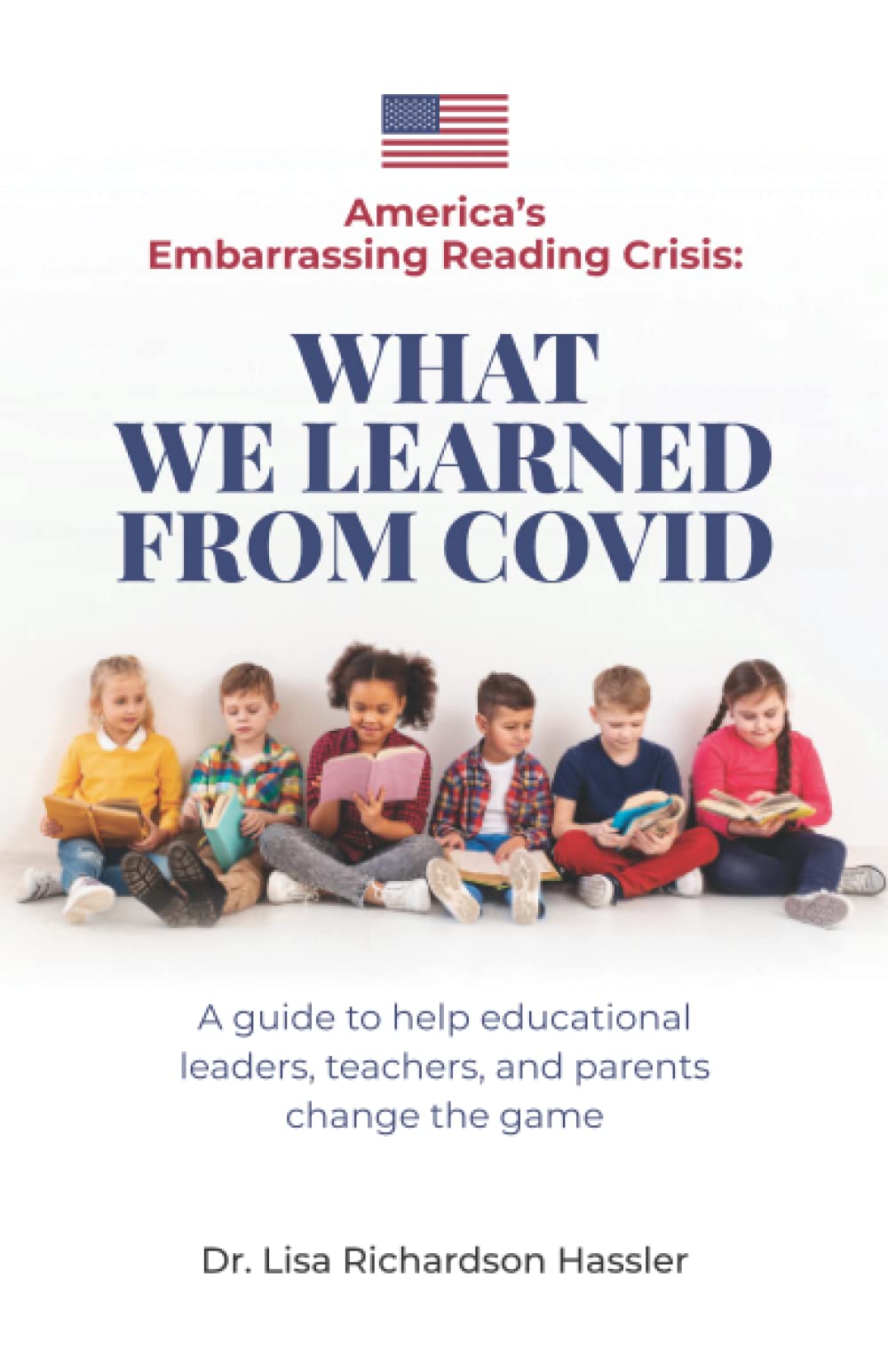
More than 80 percent of students who fail to earn a high school diploma were struggling readers in third grade. How many of these children had dyslexia and went through the educational system without proper diagnosis or interventions to help? We all want our children to learn and thrive. We want them to achieve measurable success–and live up to the vast potential inside each of them. But in order to do that, we must tackle the biggest problem facing America today: reading. Without proper reading skills, our workforce is less robust, job opportunities are more limited, and people’s lives are held hostage as their own self-worth becomes diminished. Yet, the pandemic brought forth valuable lessons. The global crisis shed light on another, lesser known, pandemic already in play for children across America. At first, parents, teachers, and other educators grappled with online teaching. Then, however, came profound lessons about teaching reading to young students–and the success that followed–because of virtual education.
America’s Embarrassing Reading Crisis: WHAT WE LEARNED FROM COVID is a reality check on an issue we have long been avoiding. Now, there are no more excuses; it’s time to take action. Author and accomplished educator Lisa Hassler dives into her own struggles and triumphs as a mother of a child with dyslexia and as a teacher to provide solutions to parents, teachers, and educational leaders in order to set our students up for successful futures. The key to raising successful children is setting the stage for being a successful adult. Hassler is not only sounding the alarm with this book some educators are calling “a must-read for modern classrooms,” she’s offering a framework by which to ensure young readers are reading on grade level starting today. All children can learn to read, and deserve a bright future.