According to the International Federation of Dyslexia and Dyscalculia Associations, 1 in 5 people are affected by dyslexia. This is a learning difference that affects an individual’s ability to read and spell words.
Dyslexia affects more males than females
You may have heard that dyslexia affects more males than females. This is true.
You do not grow out of dyslexia
Dyslexia is a lifelong language-based learning difference that affects the brain’s ability to process written language.
It is the most common learning difference
Dyslexia is a learning difference that affects the way you think, read, and write. It is the most common learning difference, affecting one in five people.
80% of those in Special Education are dyslexics
People who are dyslexic often have difficulty processing what they see on the page or hear in their head into words they can understand and say out loud.
Some of the most brilliant people had dyslexia
Albert Einstein, Pablo Picasso, Winston Churchill and Thomas Edison were all dyslexic. They had trouble reading and sometimes writing.
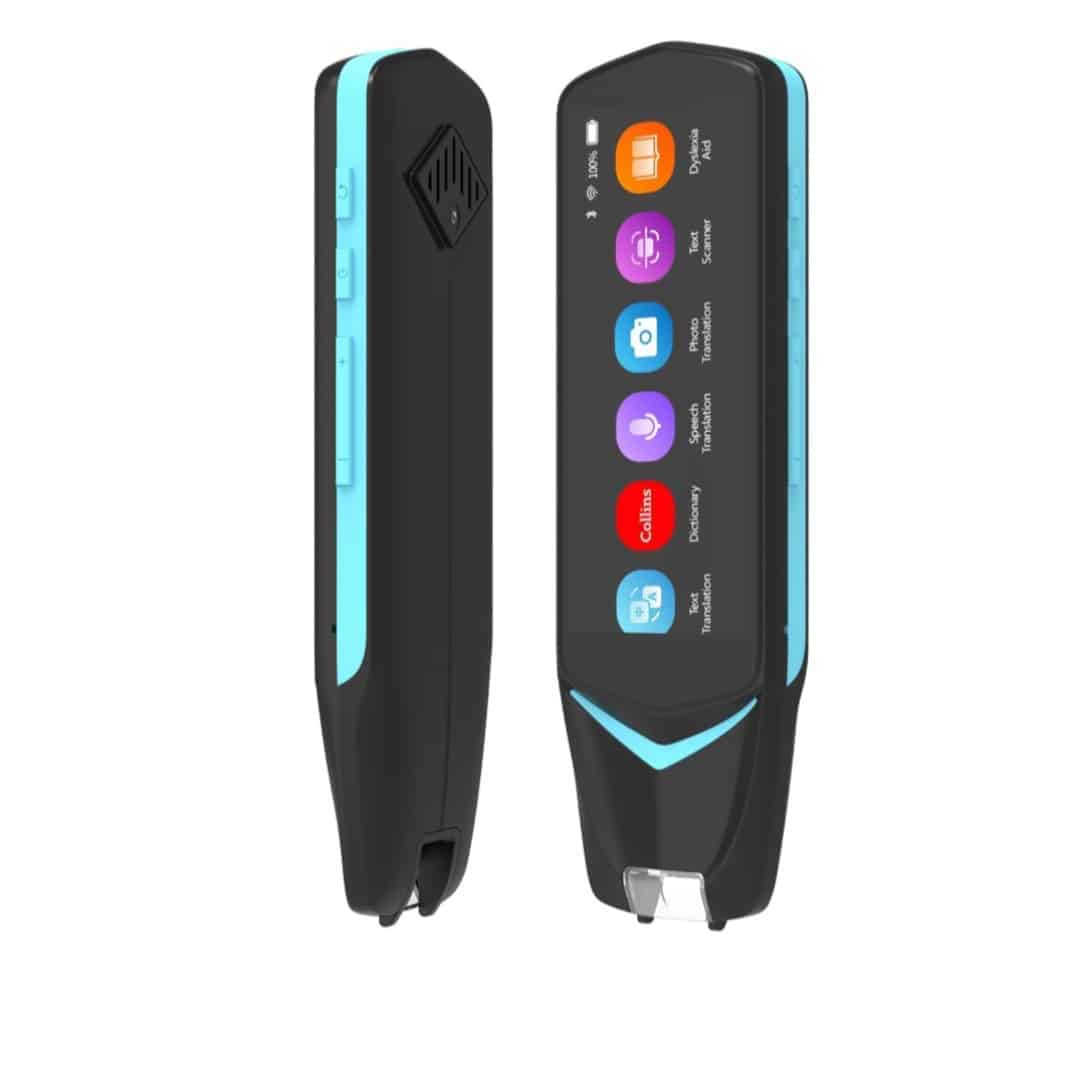
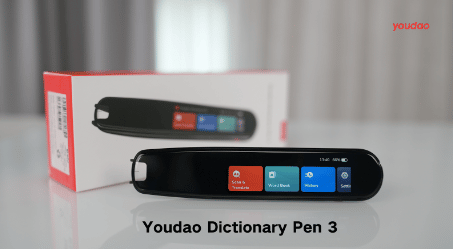
Among the resources that help people with dyslexia, scanning pens can be of great help. These devices can turn scanned text into audio, making printed texts available to those with reading difficulties. One of the latest models of this assistive technology was released by Smart Youdao. Their Youdao Dictionary Pen 3 is a lightweight reading pen that reads texts aloud upon scanning. The device is portable and can be used offline, and the pen can scan multiple lines of text at once and offer a customizable reading experience.
How does it work?
Just grab the pen and gently press it against the surface and start scanning at a steady speed. The pen will immediately start recognizing the text and once the pen’s tip is lifted from the surface the pen will automatically read the text aloud.
The pen can read more than books.
The pen’s scanner has an accuracy of up to 99.6% and can recognize different types of fonts, font colors, numbers, mathematical symbols, and can be used to scan texts not only in books, but also on labels, packaging, screens, etc. The offline mode, along with the scanner, helps people with literacy difficulties to overcome the challenges in school or the office, and also in daily-life situations.
After scanning, the pen’s screen will also display the original text as well as show a button for the audio; users can press this button to repeat the audio. The user can also tap on the words that appear on the screen to listen to their individual pronunciation and to look at the definition of the word. The pen includes several dictionaries, including Merriam-Webster’s, and can support the English, Spanish and Chinese languages.
Customizable reading experience.
Youdao Dictionary Pen 3 allows the user to adjust the volume and speed of the audio, choose between UK and British accents, and change the handedness, so both right and left-handed people can use the pen without a problem.
The audio has human-like pronunciation and can also be used with earphones; these can either be plugged into the pen or can be paired via bluetooth.
Additional features.
The pen also includes features for vocabulary building, pronunciation scoring, phonics teaching and language learning.
Pronunciation scoring: users can improve their pronunciation by just tapping on the microphone icon after scanning a word or sentence and saying it aloud; the pen will use Artificial Intelligence to score the pronunciation.
Phonics teaching: this feature appears after scanning or looking up a word, and teaches users how to pronounce the word letter by letter, showing the relationship between each letter and its sound in spoken language.
Language learning: these features are focused for the Spanish and Mandarin languages. The pen for these languages can translate, show definitions, pronunciation, bilingual example sentences, stroke order display for Chinese characters and Spanish verb conjugation for Spanish language. It will soon also support Korean and Japanese; these will be available through a free software update.
Vocabulary building: users can mark new words or sentences for further review.
Tech Specs
Youdao Dictionary Pen 3 has a sturdy and durable design, the pen has a metal shell and an ergonomic design that makes it comfortable to hold. It comes with a large speaker and a 2.97 inch high definition touch screen. It weighs only 72 grams and it’s only 14.7 cm long; smaller than a phone.
It comes with multiple dictionaries embedded summing up to over 4 million entries, has a rechargeable battery that lasts up to 8 hours of continuous use and can be used offline.
JCPal, a Canadian technology accessories company, has introduced a new keyboard protector for dyslexic students. Designed in collaboration with the Microsoft Devices Accessibility Team initially for the Surface Laptop Go and Surface Laptop SE devices, the VerSkin Inclusive Keyboard Protector is intended to make it easier for dyslexic students to navigate and familiarize themselves with the keyboard on their device.
The VerSkin is made with a black silicone material that sits snugly over the keyboard, protecting the device from dust and spills while adding a visual and tactile guide to the keys, making them easier to navigate.
Key features include:
Color-coded key zones differentiating consonant, vowel, number, symbol, and function key types
Large, bold, and high contrast key markings
Tactile L-shaped bumps marking the corners of the letter key area
Tactile dot bumps identifying Windows and Accessibility keys
The goal is to make the consonants and vowels easier to differentiate by using two cooler colors (blue, green) and marking the number keys in a warmer hue (purple). This vivid, high-contrast area is differentiated from the function and symbol keys which have light backgrounds and dark key markings. The colors on the protector have been chosen to be both easily identifiable (and color-blindness friendly) but also muted enough that they’ll be comfortable to use in a classroom environment where many students prefer to blend in with their peers.
Touch typing can be an essential and empowering skill for dyslexic students and the VerSkin features tactile bumps on the corners of the letter key area to help promote a consistent resting hand position and encourage the development of touch typing abilities.
The VerSkin recently won a coveted Red Dot award for its innovative design and thanks to its low cost and simple but effective approach it’s the type of product we’d like to see more of to support dyslexic students.
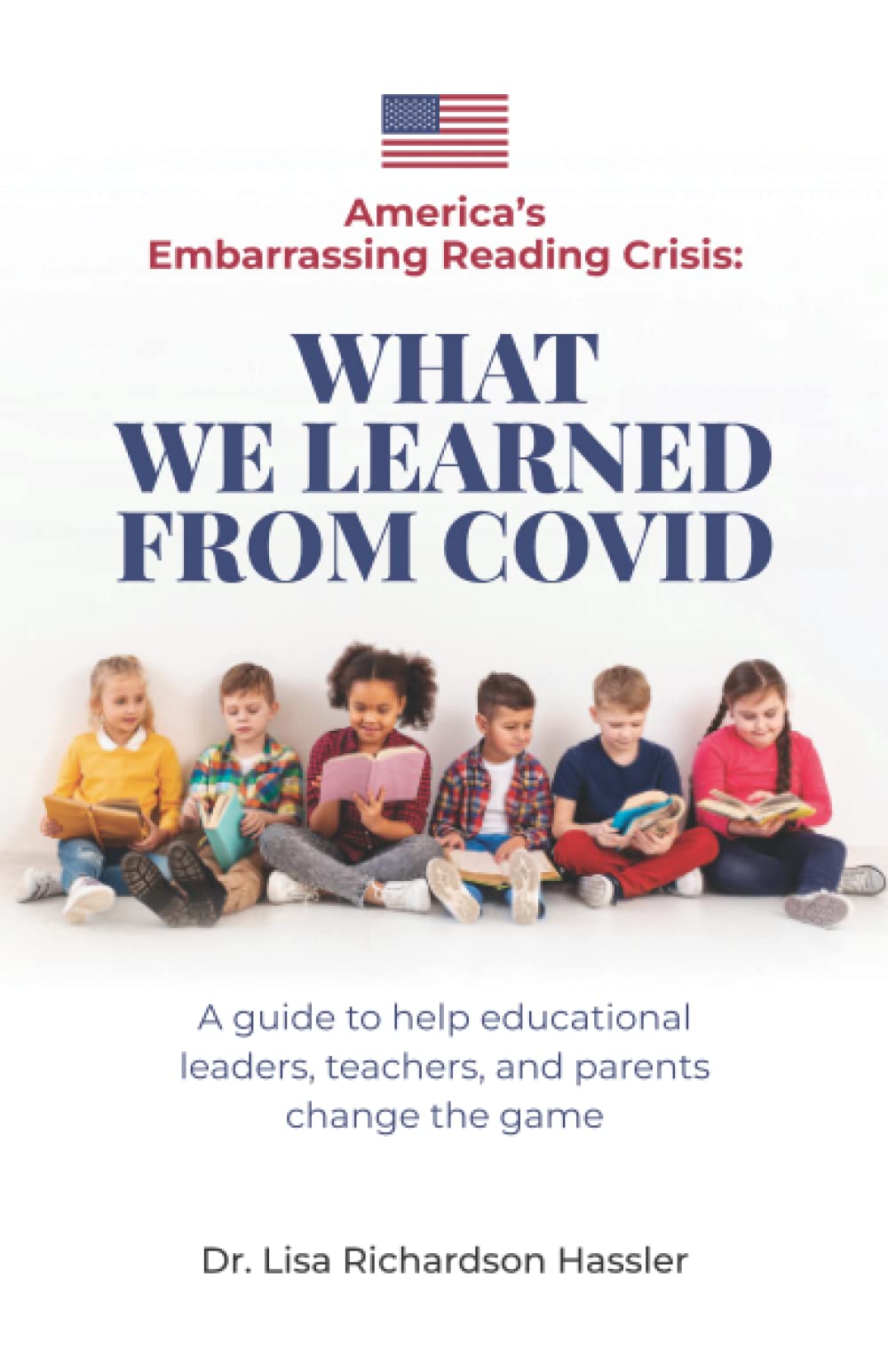
More than 80 percent of students who fail to earn a high school diploma were struggling readers in third grade. How many of these children had dyslexia and went through the educational system without proper diagnosis or interventions to help? We all want our children to learn and thrive. We want them to achieve measurable success–and live up to the vast potential inside each of them. But in order to do that, we must tackle the biggest problem facing America today: reading. Without proper reading skills, our workforce is less robust, job opportunities are more limited, and people’s lives are held hostage as their own self-worth becomes diminished. Yet, the pandemic brought forth valuable lessons. The global crisis shed light on another, lesser known, pandemic already in play for children across America. At first, parents, teachers, and other educators grappled with online teaching. Then, however, came profound lessons about teaching reading to young students–and the success that followed–because of virtual education.
America’s Embarrassing Reading Crisis: WHAT WE LEARNED FROM COVID is a reality check on an issue we have long been avoiding. Now, there are no more excuses; it’s time to take action. Author and accomplished educator Lisa Hassler dives into her own struggles and triumphs as a mother of a child with dyslexia and as a teacher to provide solutions to parents, teachers, and educational leaders in order to set our students up for successful futures. The key to raising successful children is setting the stage for being a successful adult. Hassler is not only sounding the alarm with this book some educators are calling “a must-read for modern classrooms,” she’s offering a framework by which to ensure young readers are reading on grade level starting today. All children can learn to read, and deserve a bright future.
Exam period can be a stressful time for teens, parents and teachers alike. Everyone wants their child to do their best, whatever that looks like for them, and for older teens, there can be additional pressure around needing the results to get into higher education.
But there can be even more stress for people with dyslexia, who may struggle with the mainstream method of exam preparation offered in school. If you’re trying to support someone in this position, you may feel a bit lost when it comes to what practical assistance you can offer. Here, we take a look at three things you can do to help.
Help them make a plan Especially in their mid-teens, high school students may find themselves overwhelmed with the amount of subjects they need to revise for, and the number of exams they have on their timetable. This can lead to panic, and a feeling of running out of time, which impacts their mental wellbeing as well as their ability to study.
One thing you can do is to offer to help them make a plan to manage their time, so that they know that they have enough time to revise for all their subjects, as well as knowing clearly when exams are. They could put this up in their bedroom, or in a communal space like the kitchen, so that everyone knows when they’ll be focusing. Just make sure that you use this as a support tool for your teen, and not as a way for you to put pressure on them when they’re taking a break.
Support shared studying Some people with dyslexia find it hard to study alone. Dyslexia can make it hard for teens to concentrate, and reading their notes alone can be very hard work. Instead, support your teen by facilitating shared study time, perhaps with friends or in after school study groups. You can also ask older relatives or friends to help, if they’ve sat the exam before.
By letting your teen know that you are ok with them having people over to study, or taking them to a friend’s house, you are giving them practical support. If you’re able to and they want to, you could also offer to quiz them, or let them talk through a specific area to check their understanding.
Consider getting them extra support Your teen might not feel comfortable with you helping test them, or you might not feel that you have enough knowledge on the subject. In this instance, getting a tutor can help them get the answers they need, and teens with dyslexia might find that they have a better understanding of a topic if they talk through it, rather than read it themselves.
Tutors can also help with confidence, and show your teen that they have the tools they need to succeed in their exams. Make sure to do your homework beforehand, and choose a tutor that is right for your family, and make it clear to your child that they can let you know if the tutor turns out not to be the right fit. It’s really important to make sure they trust this person and feel comfortable with them in order to get the most out of their sessions.
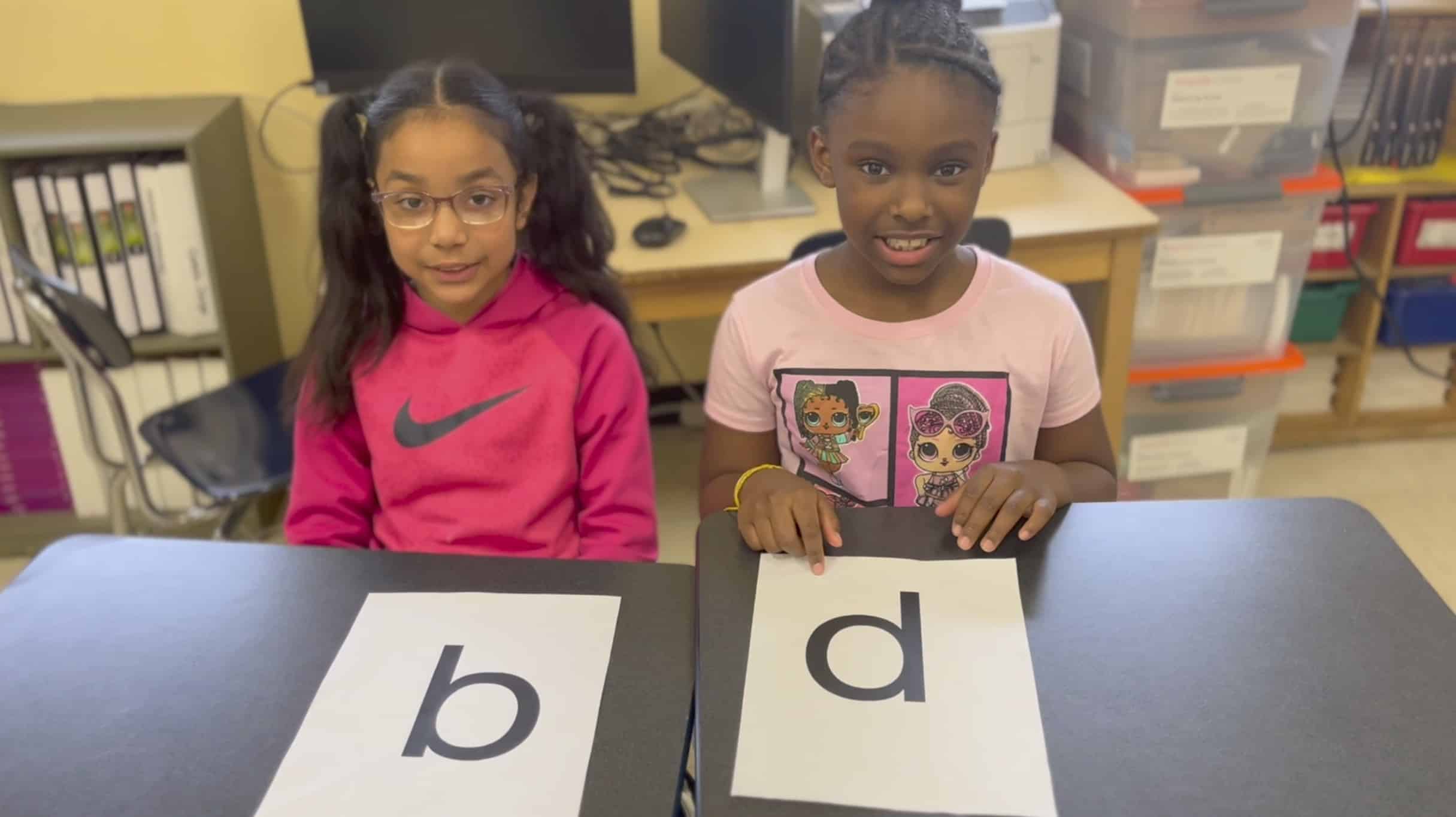
Erik Arnesen, a music teacher at a New York City public school (PS 18) in Park Terrace, Manhattan, remembered hearing how some children had difficulty decoding printed letters that looked alike when reversed. At the time, he only had a vague idea that dyslexia meant seeing letters and numbers jumbled, out of order, or turned around. He decided to write a song about the subject, and subsequently created a video with the children singing and acting it out. His YouTube channel is called Mr. Arnesen School Songs and features the children starring in several musically inspired educational videos. Mr. Arnesen’s YouTube channel also has songs about opposites, manners, science, music, and more. It can be found here: https://www.youtube.com/user/fearless5009
Fingerprint for Success (F4S) is a technology that helps you to understand and bring out the best in yourself and others at work. At F4S we have a vision to inspire the workplaces of the future where cognitive diversity is not only embraced, it is celebrated. We believe everyone deserves psychological safety at work, now and into the future, where self-awareness and bringing your authentic self to work become the norm. With the increasing levels of dyslexia diagnoses and neurodiverse individuals entering the workforce, F4S has launched a first of its kind study that asks the question, can dyslexia be a superpower in the workplace? The call for greater research in the field of dyslexia is driven by the need to better understand and advise workplaces and professionals who have contact with adults with dyslexia on how to best tap into the talents and opportunities unique to these individuals. Adults with dyslexia have been noted to possess talents in areas such as empathy, good oral communication skills, creativity and problem solving ability. At F4S we aim to add a new lens to the existing research by uncovering the unique talents and cognitive biases of individuals with dyslexia at work. This research will help make it possible for those with dyslexia to thrive and realize their full potential at work, and to help leaders to provide a supportive workplace that embraces and celebrates cognitive diversity.
About Fingerprint for Success (F4S) Fingerprint for Success is a professional & personal development platform for individuals & teams to make amazing things happen at work and in life!
The recent shift towards remote working has made it possible to see how differently-abled people, including those with dyslexia, can integrate into the workforce with ease. Inclusivity is beneficial to both workers and business owners. With the right solutions and accommodations in place, talented prospective employees will feel confident and safe in applying for the opportunities you are offering.
Transform the Culture
Any new hires who are differently abled will never feel fully accepted in the workplace if your current employees aren’t made aware of how to behave appropriately around them. The leaders within your business should also be well trained on what to expect during day-to-day operations and how to properly intervene if a conflict arises.
Although in-person sensitivity seminars can be held for employees, online coursesmay also be made available so that the training, which is undoubtedly necessary, does not interrupt productivity.
Since your employees have first-hand exposure to your workplace tactics, ensure that you allow them the opportunity to provide feedback on current inclusivity measures so that you are well aware of the extent of change that is needed.
Rethink Recruitment
When recruiting any talent, including those who are differently abled, it’s vital to ensure that the job description in your posts is enticing and attractive. Be sure to effectively communicate the job’s requirements, related responsibilities, and remuneration.
Consider including information on your organization’s inclusivity efforts, and ensure that employee testimonials are easy to find through a Google search. It may be worthwhile to create a social media post that boasts the quality of the working environment your company is offering.
Implement Solutions
When hiring a differently-abled person, it’s important to open up the conversation on what accommodations they require. Let them know that your organization will do everything possible to try to make the working day manageable for them.
Physical comfort: If your employee’s disability is physical, ensure that your office space is accessible and easy for them to navigate. If this isn’t possible, consider allowing them to work from home and implement the necessary remote working solutions to ensure that workflow is not disrupted.
Schedule: As long as they are meeting deadlines, differently-abled employees may require more flexible working hours to be able to fit in the additional doctor’s appointments or physical therapies they often need.
Communication: There are loads of new technologies and software that are helpful in accommodating disabilities like dyslexia. Apart from introducing these into your daily operations, consider checking if communication trends can be more inclusive. In-person or verbal communication may make things easier for those with disabilities.
Evaluate Processes and Procedures
If you’ve never paid attention to inclusivity measures before, it’s possible that policies within your company have been structured in a way that does not accommodate differently-abled people very well. All procedures, including disciplinary measures, the code of conduct, recruitment and termination processes, as well as operational expectations should be scrutinized and improved where possible.
Differently-abled people have a plethora of talent and value to bring to their employers, and with technology making it possible to implement accommodations, it’s easier than ever to help them become integral parts of your workforce. Take a close look at your current processes and procedures to help identify how you can transform your organization into a desirable workplace for differently-abled folk, including those with dyslexia.
The American Dyslexia Association is a non-profit organization that is geared toward improving the lives of those with dyslexia and dyscalculia. This is achieved by making information and teaching aids free and far more accessible. Find out more about these conditions at: www.dyslexia.me
If you’re a parent with dyslexia, you might find it difficult to work at a traditional 9-to-5 office job. Not only does this leave you with less time to spend with your child, your supervisors may not understand your needs, leaving you to struggle with lots of tasks. To figure out the next steps in your career, you can turn to the resources from the American Dyslexia Association. In the meantime, these tips can help you make a living as an entrepreneur!
Outline a Business Plan
No matter what kind of business model interests you, you need to begin by crafting a business plan that you can reference in the months ahead. You’ll want to include detailed descriptions of your planned offerings, a preliminary marketing and sales strategy, your estimated expenses and projected income, and the materials and supplies you’ll need to operate your business.
Marketing Your Company
Once you’ve made your products or services available for purchase, you need to start marketing your offerings in order to land your first customers. You’ll want to set up a website, create social media accounts for your business, and even give people the option to sign up for email newsletter updates from your company.
If you really want to make your company stand out, you’ll need to create a logo to establish your brand! This is one of the easiest ways to ensure that you make a memorable impression on your customers. If you’re launching your company on a tight budget, you might not want to spring for a graphic designer – but luckily, you don’t have to! With a free online logo design tool, you can choose your favorite style and icon, and the system will give you an array of logos to choose from with the option to change the fonts and colors.
Avoid Burnout
When you have dyslexia, projects that might seem simple and straightforward to someone else can feel more stressful for you. As a business owner, it’s especially important for you to maintain a manageable workload so that you don’t end up getting burned out. Startup Nation recommends planning out project deliverable deadlines so that you can give yourself full days off and setting clear expectations for clients, including boundaries around when they can expect phone or email responses from you.
Find Childcare
As you adjust to working from home, you may find that on exceptionally busy days, it’s too hard to balance both work and childcare. You catch yourself wishing that you had someone else around to take on certain childcare responsibilities and keep your kids occupied and entertained! You might be interested in hiring a part-time nanny to look after your children when you need to attend video meetings or run work-related errands outside of the home.
Hire Your Team
Bringing a few additional members onto your team can make life much easier for you as an entrepreneur with dyslexia, as your employees can take on tasks that cause you undue stress. To find the right staff for your business, Tycoon Story recommends proactively seeking out freelance workers – they are likely to have flexible schedules, a wide variety of skills, and the ability to adapt to unexpected situations. Freelancers are often already accustomed to working with home-based business owners.
Dealing with dyslexia in adulthood can be challenging, but you also have the agency to choose your own path in life. As a parent, you might realize that pursuing entrepreneurship and working from home suits you best! With these tips, you’ll be able to thrive as a business owner with dyslexia.
Looking for resources to help you navigate your professional and personal life with dyslexia? The American Dyslexia Organization can help! Browse our blog today for articles packed with tips.