Tag: research

  • Help inspire the Future of Work with F4S

    Help inspire the Future of Work with F4S

    Fingerprint for Success (F4S) is a technology that helps you to understand and bring out the best in yourself and others at work. At F4S, we have a vision to inspire the workplaces of the future where cognitive diversity is not only embraced, it is celebrated. We believe everyone deserves psychological safety at work, now and into the future, where self-awareness and bringing your authentic self to work become the norm. With the increasing levels of dyslexia diagnoses and neurodiverse individuals entering the workforce, F4S has launched a first-of-its-kind study that asks the question, Can dyslexia be a superpower in the workplace?


    The call for greater research in the field of dyslexia is driven by the need to better understand and advise workplaces and professionals who have contact with adults with dyslexia on how to best tap into the talents and opportunities unique to these individuals. Adults with dyslexia have been noted to possess talents in areas such as empathy, good oral communication skills, creativity, and problem-solving ability.


    At F4S, we aim to add a new lens to the existing research by uncovering the unique talents and cognitive biases of individuals with dyslexia at work. This research will help make it possible for those with dyslexia to thrive and realize their full potential at work, and to help leaders to provide a supportive workplace that embraces and celebrates cognitive diversity.

    If you feel the call to participate or know someone who has dyslexia, please join our study at
    https://www.fingerprintforsuccess.com/research/dyslexia-study.

    About Fingerprint for Success (F4S)
    Fingerprint for Success is a professional & personal development platform for individuals & teams to make amazing things happen at work and in life!

  • How Testing Kids For Skills Can Hurt Those Lacking Knowledge

    How Testing Kids For Skills Can Hurt Those Lacking Knowledge

    Excerpted from THE KNOWLEDGE GAP by Natalie Wexler, published by Avery, an imprint of Penguin Publishing Group, a division of Penguin Random House, LLC. Copyright © 2019 by Natalie Wexler.

    By Natalie Wexler

    In 1987, two researchers in Wisconsin, Donna Recht and Lauren Leslie, constructed a miniature baseball field and installed it in an empty classroom in a junior high school. They peopled it with four-inch wooden baseball players arranged to simulate the beginning of a game. Then they brought in sixty-four seventh- and eighth-grade students who had been tested both for their general reading ability and their knowledge of baseball.

    The goal was to determine to what extent a child’s ability to understand a text depended on her prior knowledge of the topic. Recht and Leslie chose baseball because they figured lots of kids in junior high school who weren’t great readers nevertheless knew a fair amount about the subject. Each student was asked to read a text
    describing half an inning of a fictional baseball game and move the wooden figures around the board to reenact the action described.

    Churniak swings and hits a slow bouncing ball toward the shortstop, the passage began. Haley comes in, fields it, and throws to first, but too late. Churniak is on first with a single, Johnson stayed on third. The next batter is Whitcomb, the Cougars’ left-fielder.

    It turned out that prior knowledge of baseball made a huge difference in students’ ability to understand the text—more of a difference than their supposed reading level. The kids who knew little about baseball, including the “good” readers, all did poorly. And among those who knew a lot about baseball, the “good” readers and the “bad” readers all did well. In fact, the bad readers who knew a lot about baseball outperformed the good readers who didn’t.

    In another study, researchers read preschoolers from mixed socioeconomic backgrounds a book about birds, a subject they had determined the higher-income kids already knew more about. When they tested comprehension, the wealthier children did significantly better. But then they read a story about a subject neither group knew anything about: made-up animals called wugs. When prior knowledge was equalized, comprehension was essentially the same. In other words, the gap in comprehension wasn’t a gap in skills. It was a gap in knowledge.

    The implication is clear: abstract “reading ability” is largely a mirage constructed by reading tests. A student’s ability to comprehend a text will vary depending on his familiarity with the subject; no degree of “skill” will help if he lacks the knowledge to understand it. While instruction in the early grades has focused on “learning to read” rather than “reading to learn,” educators have overlooked the fact that part of “learning to read” is acquiring knowledge.

    Continue with article here:

    https://www.kqed.org/mindshift/54054/how-testing-kids-for-skills-hurts-those-lacking-knowledge

  • Dyslexia and the Brain

    Dyslexia and the Brain

    Researchers are continually conducting studies to learn more about the causes of dyslexia, early identification of dyslexia, and the most effective treatments for dyslexia.

    Developmental dyslexia is associated with difficulty in processing the orthography (the written form) and phonology (the sound structure) of language. As a way to understand the origin of these problems, neuroimaging studies have examined brain anatomy and function of people with and without dyslexia. These studies are also contributing to our understanding of the role of the brain in dyslexia, which can provide useful information for developing successful reading interventions and pinpointing certain genes that may also be involved.

    What is brain imaging?

    A number of techniques are available to visualize brain anatomy and function. A commonly used tool is magnetic resonance imaging (MRI), which creates images that can reveal information about brain anatomy (e.g., the amount of gray and white matter, the integrity of white matter), brain metabolites (chemicals used in the brain for communication between brain cells), and brain function (where large pools of neurons are active). Functional MRI (fMRI) is based on the physiological principle that activity in the brain (where neurons are “firing”) is associated with an increase of blood flow to that specific part of the brain. The MRI signal bears indirect information about increases in blood flow. From this signal, researchers infer the location and amount of activity that is associated with a task, such as reading single words, that the research participants are performing in the scanner. Data from these studies are typically collected on groups of people rather than individuals for research purposes only—not to diagnose individuals with dyslexia.

    Which brain areas are involved in reading?

    Since reading is a cultural invention that arose after the evolution of modern humans, no single location within the brain serves as a reading center. Instead, brain regions that sub serve other functions, such as spoken language and object recognition, are redirected (rather than innately specified) for the purpose of reading (Dehaene & Cohen, 2007). Reading involves multiple cognitive processes, two of which have been of particular interest to researchers: 1) grapheme-phoneme mapping in which combinations of letters (graphemes) are mapped onto their corresponding sounds (phonemes) and the words are thus “decoded,” and 2) visual word form recognition for mapping of familiar words onto their mental representations. Together, these processes allow us to pronounce words and gain access to meaning. In accordance with these cognitive processes, studies in adults and children have demonstrated that reading is supported by a network of regions in the left hemisphere (Price, 2012), including the occipito-temporal, temporo-parietal, and inferior frontal cortices. The occipito-temporal cortex holds the “visual word form area.” Both the temporo-parietal and inferior frontal cortices play a role in phonological and semantic processing of words, with inferior frontal cortex also involved in the formation of speech sounds. These areas have been shown to change as we age (Turkeltaub, et al., 2003) and are altered in people with dyslexia (Richlan et al., 2011).

    What have brain images revealed about brain structure in dyslexia?

    Evidence of a connection between dyslexia and the structure of the brain was first discovered by examining the anatomy of brains of deceased adults who had dyslexia during their lifetimes. The left-greater-than-right asymmetry typically seen in the left hemisphere temporal lobe (planum temporale) was not found in these brains (Galaburda & Kemper, 1979), and ectopias (a displacement of brain tissue to the surface of the brain) were noted (Galaburda, et al., 1985). Then investigators began to use MRI to search for structural images in the brains of research volunteers with and without dyslexia. Current imaging techniques have revealed less gray and white matter volume and altered white matter integrity in left hemisphere occipito-temporal and temporo-parietal areas. Researchers are still investigating how these findings are influenced by a person’s language and writing systems.

    What have brain images revealed about brain function in dyslexia?

    Early functional studies were limited to adults because they employed invasive techniques that require radioactive materials. The field of human brain mapping greatly benefited from the invention of fMRI. fMRI does not require the use of radioactive tracers, so it is safe for children and adults and can be used repeatedly which facilitates longitudinal studies of development and intervention. First used to study dyslexia in 1996 (Eden et al., 1996), fMRI has since been widely used to study the brain’s role in reading and its components (phonology, orthography, and semantics). Studies from different countries have converged in findings of altered left-hemisphere areas (Richlan et al., 2011), including ventral occipito-temporal, temporo-parietal, and inferior frontal cortices (and their connections). Results of these studies confirm the universality of dyslexia across different world languages.

    Continue reading article: https://dyslexiaida.org/dyslexia-and-the-brain-fact-sheet/
  • Dyscalculia and Brain Activity-The Connection,  by Shradha Kalyani Kabra

    Dyscalculia and Brain Activity-The Connection, by Shradha Kalyani Kabra

    The fear of Mathematics and numbers is called Dyscalculia, which is a learning disability, also termed as number blindness. Extensive studies have recorded that nearly 7% of the population with average intelligence have the problem. The innate number sense of the human brain is not in sync in dyscalculics, as numerical ability relies on special brain networks.

    The theory that separates Dyscalculia from other deficiencies of memory and language is that the approximate number sense gets severely affected. A common symptom that defines the problem is the inability to recognize the place value system. The mathematical ability of people who are unable to grasp the recognition pattern of small numbers is impaired significantly.

    Brain Function In Dyscalculia Sufferers

    The inability to properly estimate and grasp quantifiable figures is the hallmark of Dyscalculia. The disability signifies the inability or impaired ability to recognize small numbers. The brain scans of persons suffering from this issue show that the intraparietal sulci show less activity and are less connected with the greater brain when dealing with numbers.

    Other learning disabilities like dyslexia and aligned problems like ADHD and autism spectrum disorder are also common in dyscalculics.  The treatment becomes a little complex as it is difficult to separate the issues. These comorbidities often make the diagnosis difficult.  The neuronal basis of Dyscalculia is not widely studied due to this phenomenon. Several neuroimaging studies have detailed the representation and processing of numerical information, but no comprehensive and conclusive findings are available. There are many forms of Dyscalculia, and some of them are associated with demonstrated alterations in metabolism, brain structure, and function.

    Image Source: dyscalculiamathdisability.weebly.com

    Developmental Dyscalculia

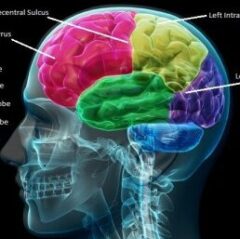
    Developmental Dyscalculia tends to present as abnormalities in the parietal cortex and involves the cortical and subcortical regions. Recent studies have given clarity on brain activity during number processing as well as calculation. The IPS or intraparietal sulcus is known to be the centre for numerical processing. Research has illustrated that the IPS is activated when mathematical tasks and even simple counting exercises are carried out.

    Memory, perceptual, spatial and motor functions are also involved in the process. Attention is also a key factor. The cognitive processes that are involved in calculation tasks add to the complexity. Developmental Dyscalculia (DD) demonstrates deficits in core brain regions associated with number processing. The brain activation pattern is also not adequate in children afflicted with DD. The gap is bridged with the child resorting to finger counting and memory to compensate.

    The need for remediation measures and education for children with special needs is the need of the hour. There are some steps taken in this direction by experts, but the gap is much more significant than the remedy. Urgent intervention is needed to collate research findings and create practical special education resources to help children suffering from DD.

    Practical Application of Research in Educational Processes for Special Needs

    The first step is to recognize that the child has a problem. Unfortunately, the children suffering from Developmental Dyscalculia are not even diagnosed in time to help them. They are often labelled as slow or below average and are left to fend on their own. The need of the hour is to educate parents and educationists alike about the existence of DD and how it affects the child.

    Academic and emotional negligence often tortures the otherwise intelligent child. They are special and hence need proper guidance and help, more than the other children. They may be subjected to bullying and rampant ignoring in the classroom. Teachers need to be sensitized about the occurrence and issues related to Dyscalculia as they are prone to dismiss the condition as a lack of general intelligence. There are few practical steps that can be taken to ensure that the child finds a way to cope with the problem and even overcome it to a certain extent.

    Continue reading here: https://numberdyslexia.com/dyscalculia-and-brain-activity-the-connection/

  • Study at the University of Nottingham (UK): The Inclusion of Students with Dyslexia in Higher Education – A systematic review

    Study at the University of Nottingham (UK): The Inclusion of Students with Dyslexia in Higher Education – A systematic review

    Uni

    What is the study about?

    The study summarizes the available evidence on the forms of teaching, support, and adjustment that students with dyslexia find useful for their inclusion in Higher Education.

    Why did we do this study?

    The number of students with disabilities and learning difficulties enrolled in Higher Education is on the rise. Universities have a duty to become inclusive environments for an increasingly diverse student population. Several researchers have conducted small-scale studies on forms of teaching, support, and adjustment that can enhance dyslexic students’ opportunities to succeed in Higher Education. However, to date, no attempt has been made to bring together all this evidence and answer the question: what does research say about how we can effectively foster dyslexic students’ inclusion in Higher Education?

    How did we do the study?

    We did a systematic review, a type of study that allows one to retrieve, critically appraise, and synthesize the available evidence on a type of intervention, teaching approach, or form of support. We searched databases, journals, and websites to retrieve all published research focusing on the inclusion of students with dyslexia in Higher Education. We appraised each study for the quality of the evidence produced therein, and then generated a summary.

    What did we find?

    We identified 15 studies dealing with the inclusion of students with dyslexia in Higher Education. The majority of them consisted of qualitative interview studies in which students had been asked about their experience of inclusion at the university. The results indicate that students with dyslexia develop many study skills and coping strategies to independently overcome the difficulties and barriers that they come across in their learning journey. Help from others (including fellow students, family, and friends) is often very important. Awareness of one’s own strengths, weaknesses, and preferred learning styles helps students to develop effective study strategies. Many of them report that becoming aware of their own dyslexia was the first important step in this direction.

    For the students, it was important to meet teachers who were sensitive to their learning needs and ready to provide adjustments in teaching and assessment. Some teachers’ lack of dyslexia awareness had a significantly negative impact on the students’ learning experience. Useful teaching approaches were those that took into account learners’ differences (student-centered approach) and sought their active contribution (interactive teaching approach). The provision of study materials in multiple formats enhanced course accessibility. Teaching modalities that partly or totally relied on Information and Communication Technologies helped the students gain control over their learning process. For instance, electronic learning environments allowed students to access content at their own pace, hence reducing the gap with non-dyslexic students. Finally, there is some evidence that Universal Design for Learning can be used to simultaneously accommodate the needs of students with diverse needs (including those with and without dyslexia) and thus foster learning environments that are inclusive for all.

    The full report can be downloaded at: http://onlinelibrary.wiley.com/doi/10.1002/dys.1484/abstract

    Dr. Marco Pino
    Research fellow

    Sue Ryder Care Centre for the Study of Supportive, Palliative and End of Life Care
    School of Health Sciences
    The University of Nottingham

    Room B58, Queen’s Medical Centre
    Nottingham NG7 2UH
    t: +44 (0)115 8230494
    https://www.researchgate.net/profile/Marco_Pino

    Follow us:
    youtube.com/nottmuniversity