Parenting a child with dyslexia presents unique challenges, but with the right resources and support, parents can effectively navigate their child’s educational and emotional needs. The article “Parenting a Child with a Disability” on DisabilityAdvice.org serves as a valuable guide for parents seeking to understand and support their dyslexic children.
Understanding Dyslexia
Dyslexia is a language-based learning disability characterized by difficulties with accurate and/or fluent word recognition, spelling, and decoding abilities.These challenges often stem from a deficit in the phonological component of language and are unexpected in relation to other cognitive abilities and effective classroom instruction.
Key Features of the Resource
The DisabilityAdvice.org article offers comprehensive insights into various learning disabilities, including dyslexia. Key aspects include:
Educational Support:The article emphasizes the importance of tailored educational strategies and interventions, such as specialized tutoring and school accommodations, to help children with dyslexia succeed academically.
Financial Assistance:It provides information on potential financial support options, such as Supplemental Security Income (SSI), for families of children whose learning disabilities significantly impact their daily functioning.
Parental Guidance: The resource offers practical advice for parents on creating a supportive home environment and advocating for their child’s needs within the educational system.
Why This Resource Is Helpful
Navigating the complexities of dyslexia can be overwhelming for parents.The DisabilityAdvice.org article consolidates essential information, making it accessible and actionable.By addressing both educational strategies and financial assistance, it empowers parents to advocate effectively for their children and access necessary support systems.
Additional Resources
For further support, parents can explore the following organizations:
Yale Center for Dyslexia & Creativity:Offers resources and expert advice for parents navigating dyslexia.
International Dyslexia Association: Provides comprehensive information on dyslexia, including research-based interventions and advocacy tools.
Learning Ally: A resource offering audiobooks and other tools to assist children with dyslexia in their learning journey.
By utilizing these resources, parents can equip themselves with the knowledge and tools necessary to support their child’s development and success.
A Story That Celebrates How What Makes Us Different Can Also Be Our Strength
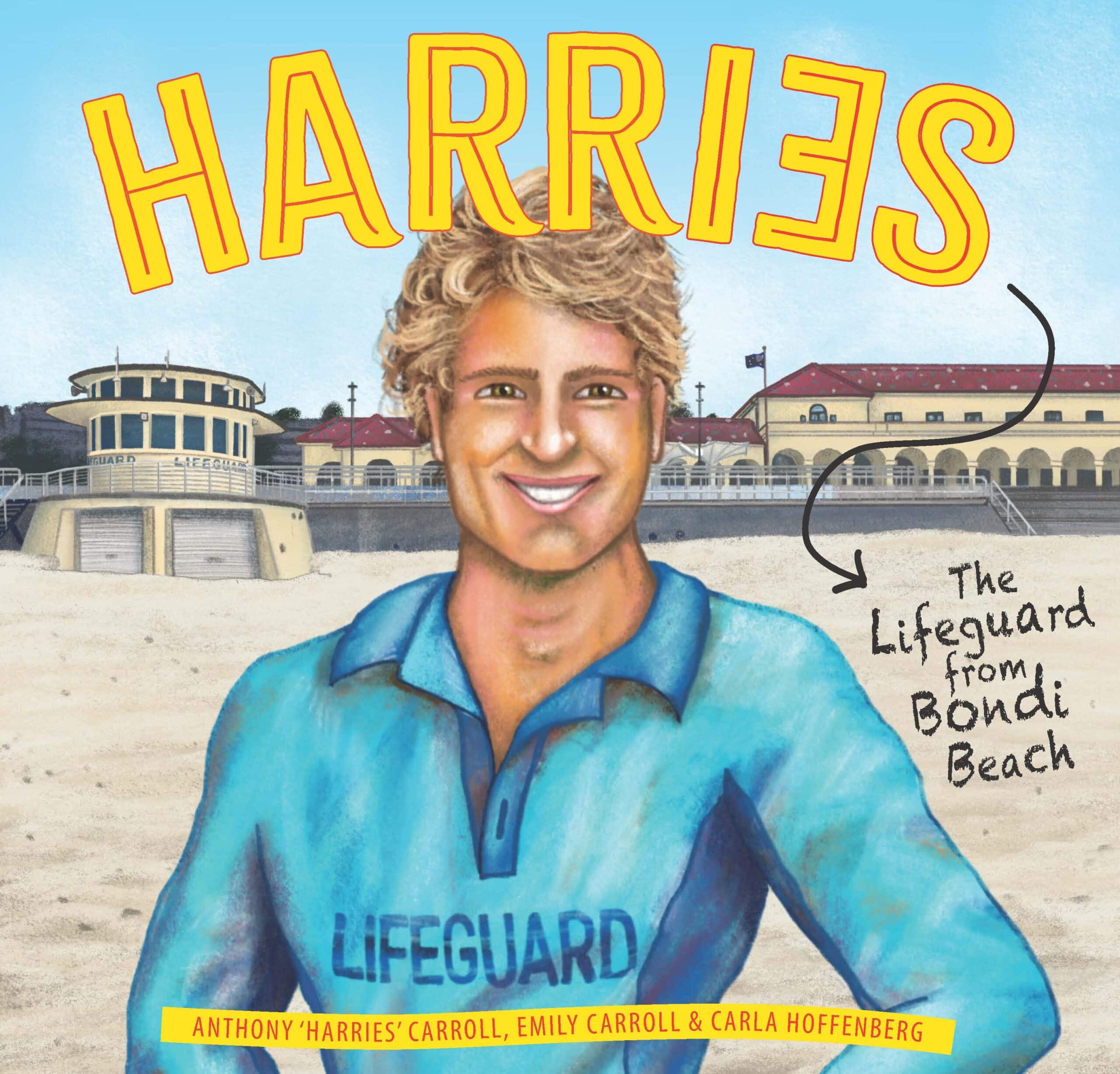
Anthony Carroll, who goes by the nickname “Harries,” has made a name for himself and even become a celebrity for his talent and skills as a lifeguard. In his new picture book, he tells the story of how, as a child, he was bullied and made fun of for not being able to read or write. He is dyslexic.
Harries is a lifeguard on the world-famous Bondi Beach in Sydney, Australia and has been a series regular on Bondi Rescue, anunscripted TV series, since its beginning 19 years ago. He has been a lifeguard for nearly 30 years and has rescued an estimated 6,000 people in that time, many of those rescues documented in Bondi Rescue.
Behind his popularity as an adult celebrity, is a child that felt out-of-place and left out because he struggled with reading and writing. Harries wasn’t able to write his own name until he was in third grade. He was discouraged when people told him he had a disability. While he struggled with school, he found that he had natural talents that he could explore. He became a fast swimmer and record-holding surfer. As an adult, when he began lifeguarding, he found that his spatial awareness and quick reflexes helped him to save lives every day. After decades lifeguarding, he has honed those talents so that he can tell if a weather change will create dangerous conditions or where a cry for help is coming from.
“Everyone has something special to offer this world,” Harries says. “Sometimes we need to search a little deeper to find whatever that gift might be.”
Harries wanted to write a picture book for kids who are struggling the way he struggled as a child. With the help of his wife Emily, who cowrote the book as he still struggles with writing, Harries’ mission is to demonstrate the power of staying positive and looking forward to find your special place in the world. He also wants to encourage kids to be accepting of others and to appreciate the differences in other people while embracing their own unique talents.
In his inspiring story, Harries wants to make clear that he sees his dyslexia as an asset in saving lives. What made it hard for him to learn to read and write are skills that help him be the best lifeguard he can be.
Book information:
Harries: The lifeguard from Bondi Beach ISBN: 9781923011205 Price: $19.99 USD | $24.99 CAD Ages: 5 to 9 Available wherever books are sold
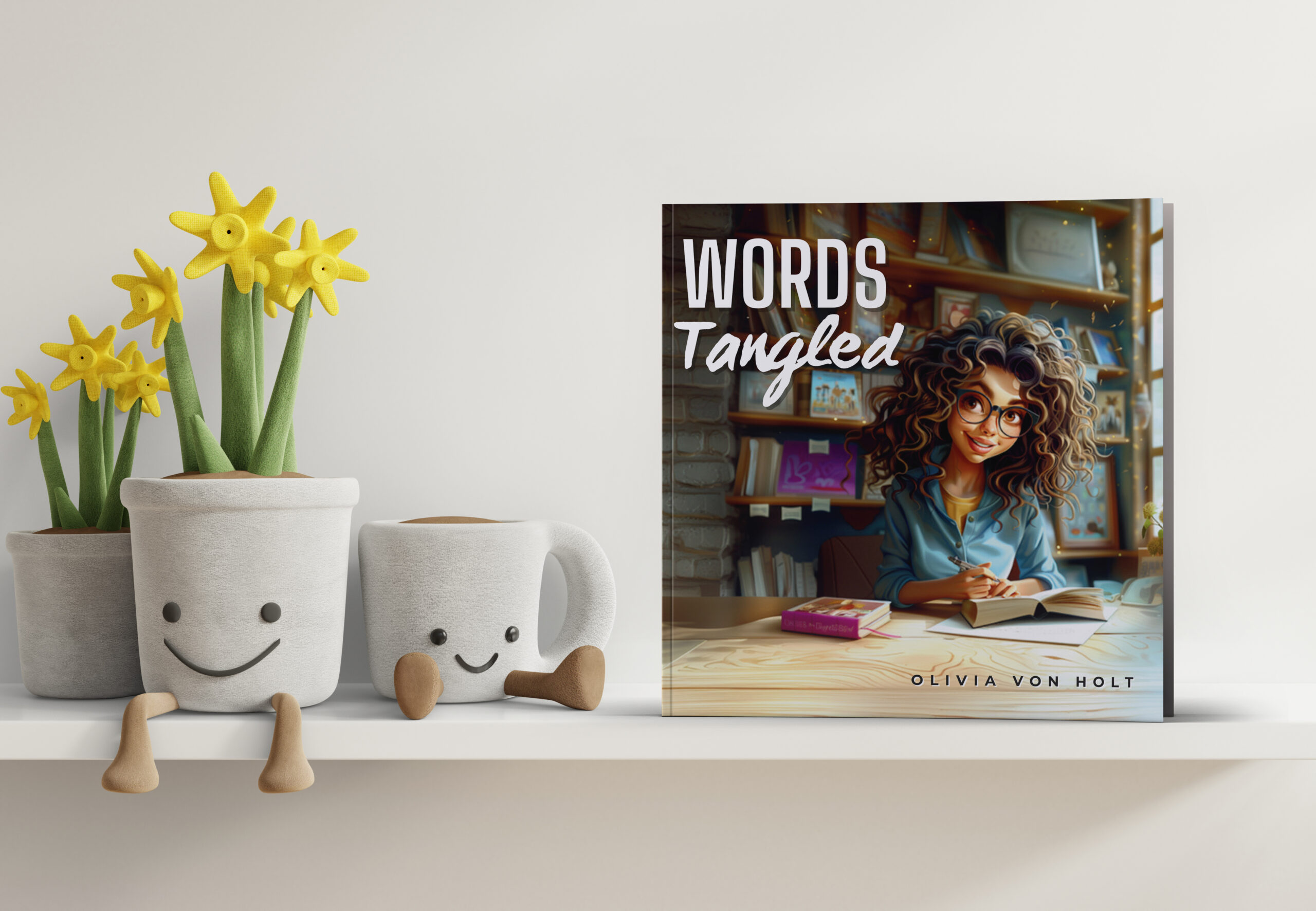
Today, we dive into something deeply personal and incredibly important: the latest children’s book by Olivia Von Holt, “Words Tangled.” This narrative is not just another book; it stands as a beacon of hope and a tool for empowerment, especially for young readers navigating the challenging waves of dyslexia.
The Heart of “Words Tangled”
Crafted from Olivia’s own experiences, “Words Tangled” portrays the journey of a young girl growing up in two different cultures while grappling with dyslexia. This book aims to provide more than just a story; it’s designed as a strategic aid to help children and their caregivers understand and manage learning disabilities.
Why This Book Matters for Dyslexics
Dyslexia, a language-based learning disability, significantly impacts reading, writing, and spelling. Those with dyslexia often struggle with phonological processing, making it difficult to decode words, which affects their reading fluency and comprehension. “Words Tangled” introduces characters and scenarios that resonate with these challenges, making the invisible hurdles of dyslexia visible and comprehensible.
Tools and Motivation Embedded in the Story
A core element of Olivia Von Holt’s “Words Tangled” is the integration of multi-sensory learning strategies, which are crucial for readers with dyslexia. These multi-sensory teaching methods involve using sight, sound, and touch to help connect language to words, benefiting those who struggle with traditional reading methods. This approach aligns with educational strategies that emphasize engaging multiple senses to enhance learning and retention for children with dyslexia.
Overall, “Words Tangled” by Olivia Von Holt is more than just a book; it’s a journey and a tool designed to inspire, educate, and support not only children with dyslexia but also parents, educators, and anyone involved in nurturing challenged readers. By sharing personal experiences and expert insights, Olivia aims to empower and equip her readers with the knowledge and tools they need to succeed and thrive despite their learning differences.
For those interested in exploring more or purchasing “Words Tangled,” it is available on Amazon and directly from Olivia’s website at www.oliviavonholt.com. For further inquiries, Olivia can be contacted at [email protected], and for more interactive updates, follow her on Facebook. Join Olivia Von Holt in spreading the word and making a difference. Let’s open the world of reading to all children, showing them that with the right tools and understanding, every page is within reach.
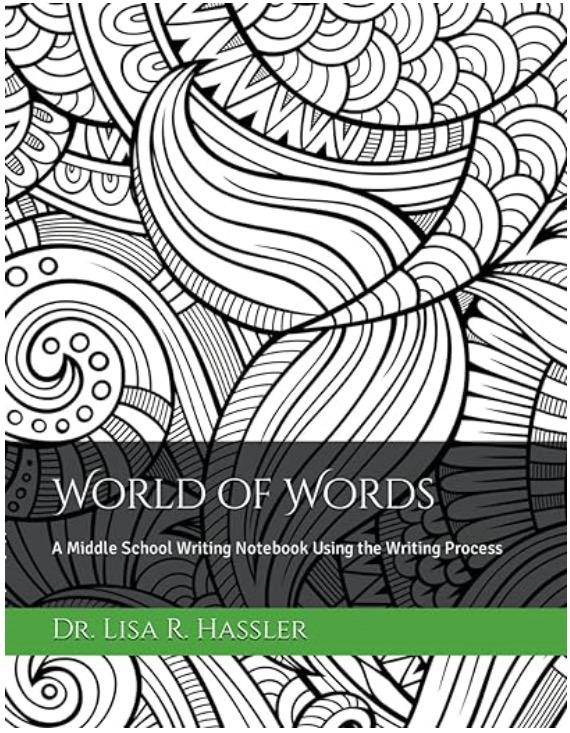
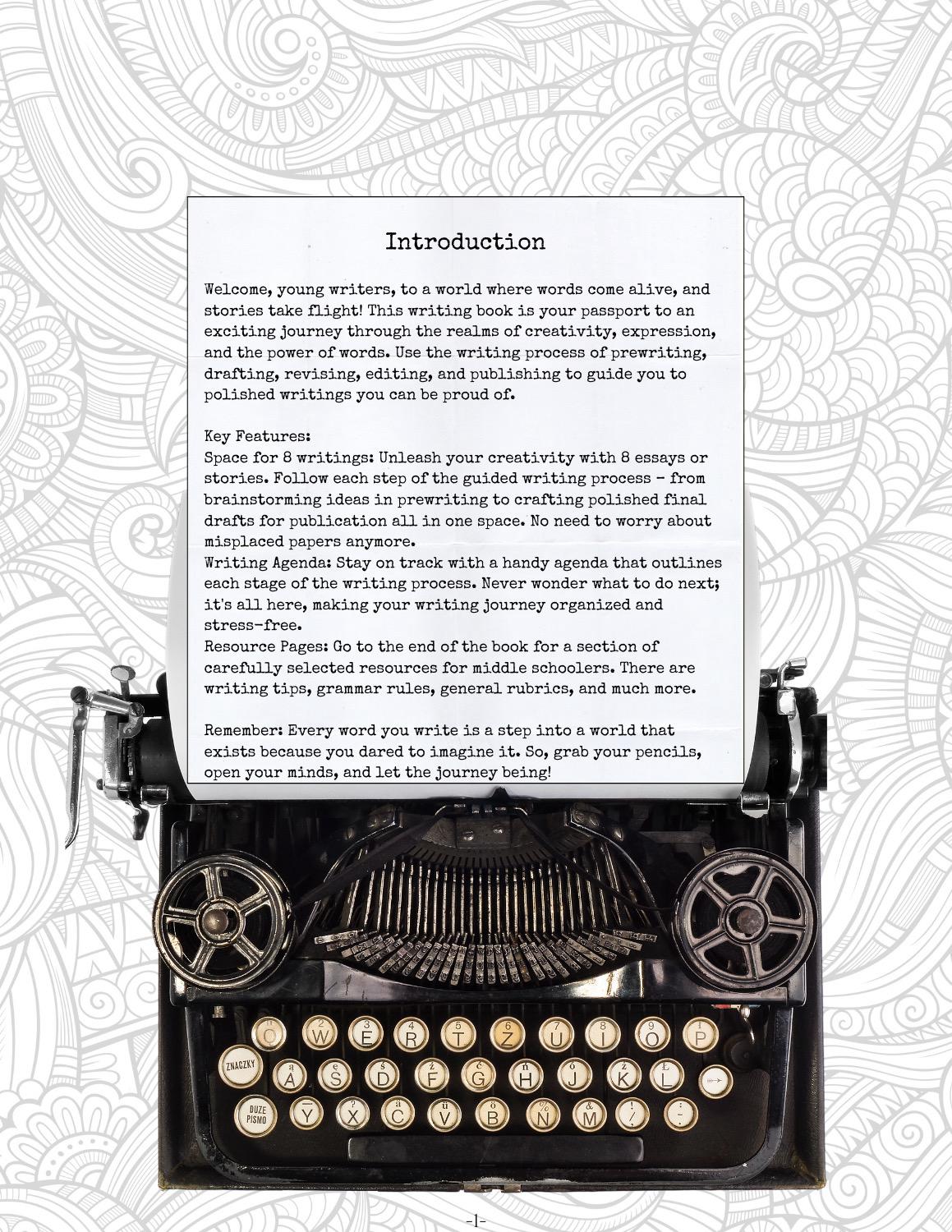
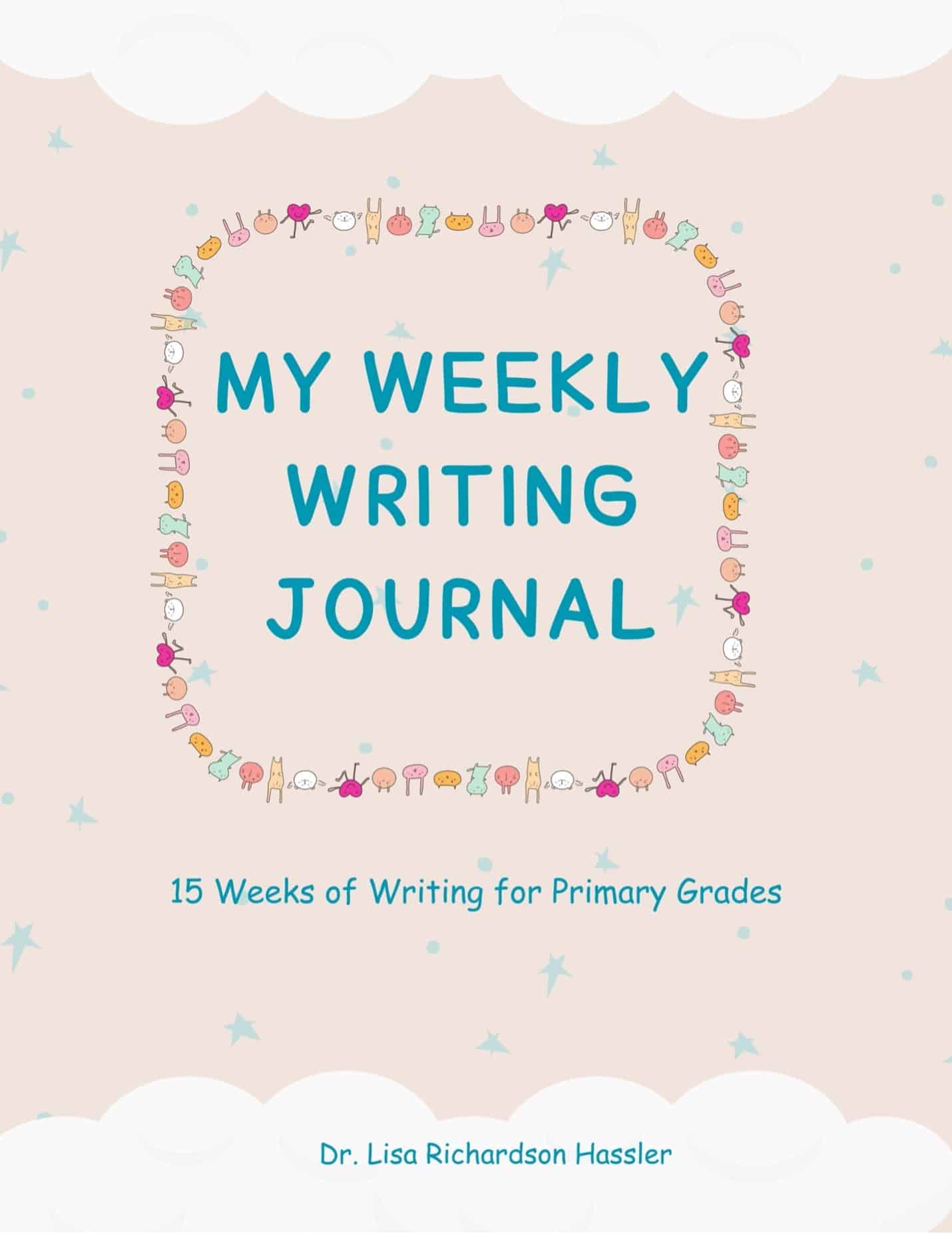
Introduction: In a world where writing skills are essential, Dr. Lisa Hassler presents “World of Words: A Middle School Writing Notebook Using the Writing Process.” Designed for 4th-6th grade students, this innovative notebook draws upon Dr. Hassler’s extensive experience in education and writing. It serves as the perfect companion to her primary writing journal. “My Weekly Writing Journal: 15 Weeks of Writing for Primary Grades.” With captivating designs and hidden surprises waiting to be discovered, students are immediately drawn to the pages, eager to explore.
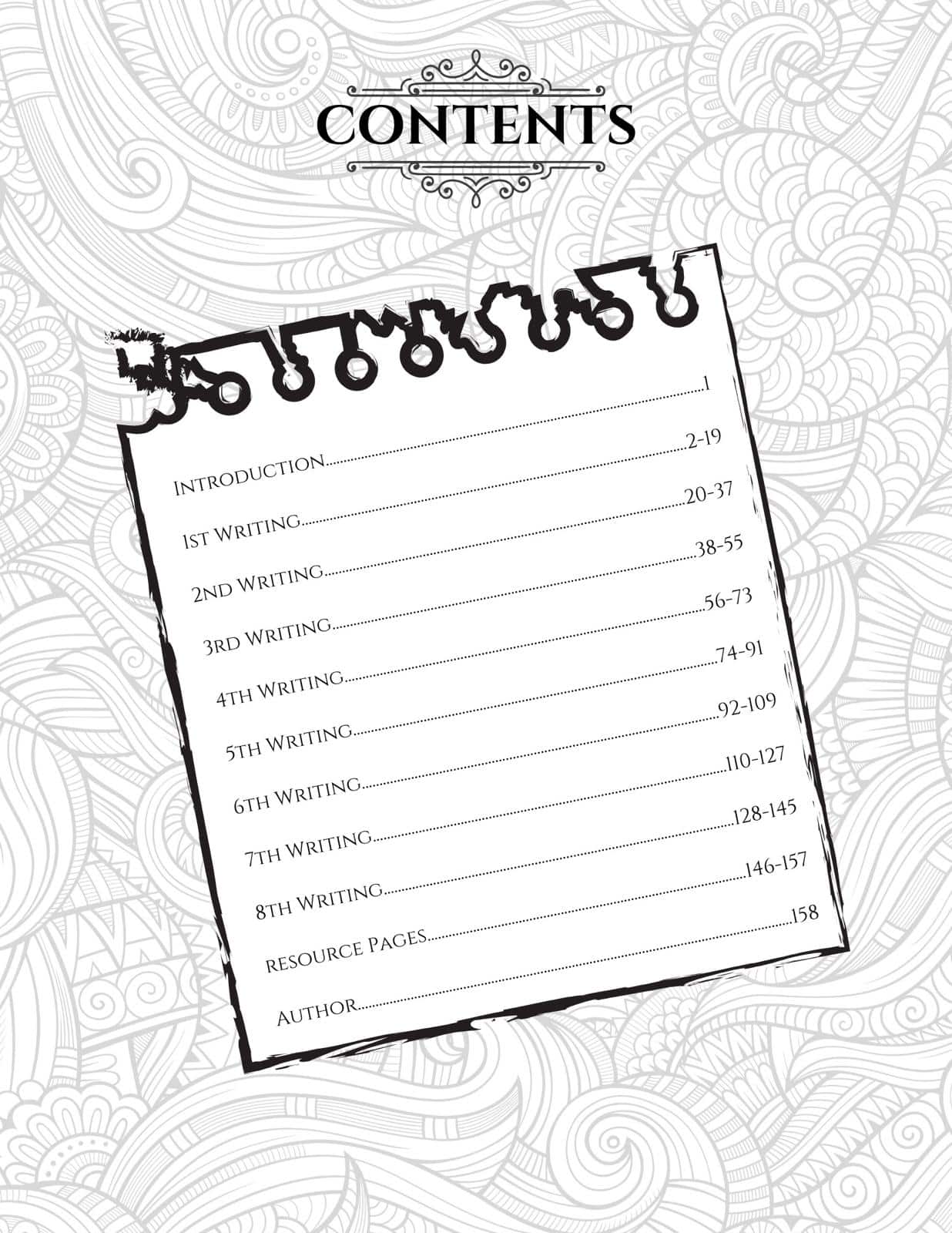
Using the Writing Process: “World of Words” takes young writers on a structured journey through the writing process. This comprehensive notebook includes several key components, each designed to support and nurture young writers:
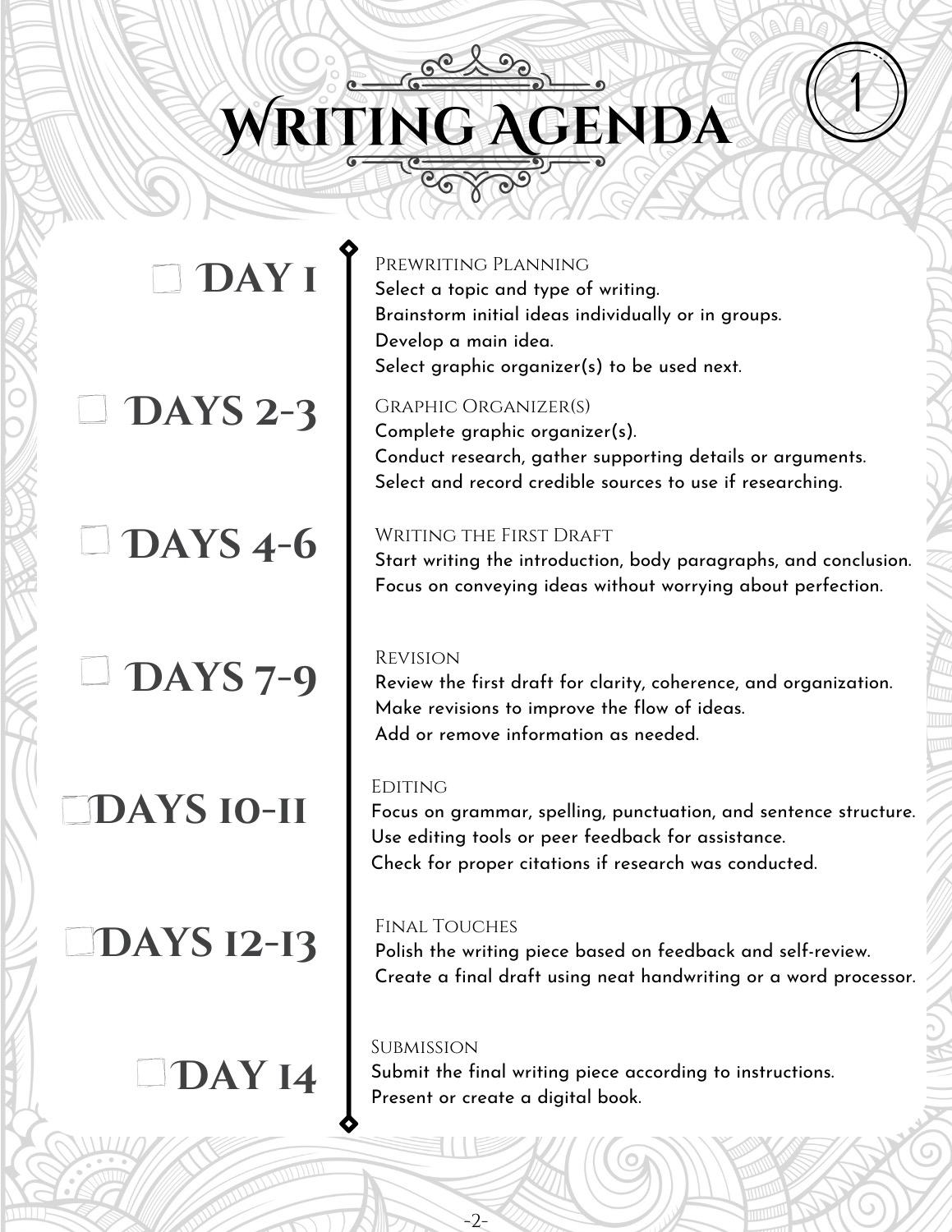
The Writing Agenda: At the heart of “World of Words” is a meticulously structured writing agenda, spanning 14 days. This agenda helps students set goals, track their progress, and stay organized throughout their writing journey.
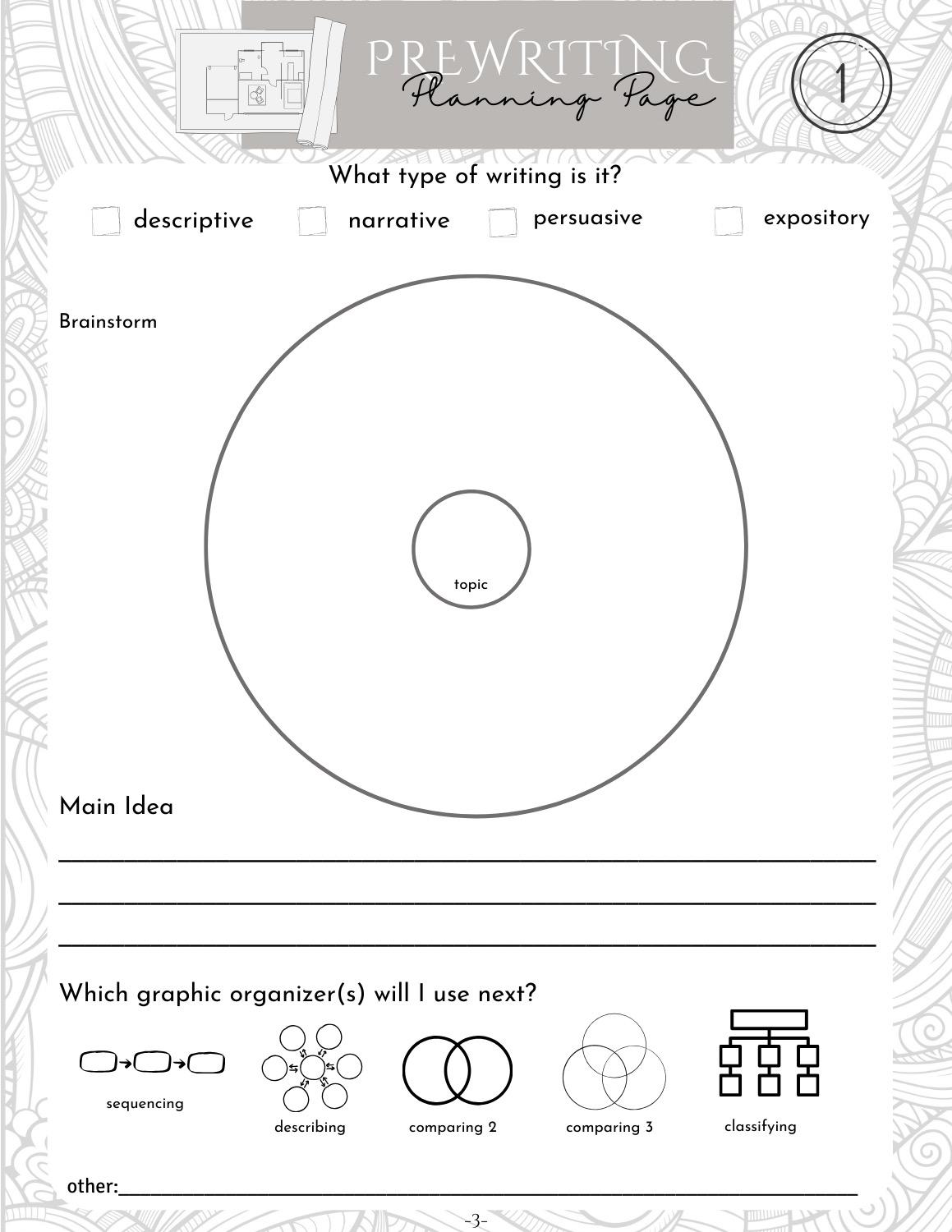
Prewriting Planning Page: Before diving into writing, students engage in prewriting planning. This section provides prompts and exercises to spark creativity, helping students generate ideas and select the type of writing they want to pursue.
Graphic Organizer Pages: “World of Words” includes graphic organizer pages to help students organize their thoughts and structure their writing. From story maps to character sketches, these tools empower students to bring their ideas to life in a clear and coherent manner.
Rough Draft: With their ideas in place, students begin the rough draft phase. “World of Words” provides ample space for students to experiment with language and embrace the creative process without fear of imperfection.
ProofreadingEditChecklist & FeedbackPages: Writing is refined through the editing stage, where students are guided through the process of revising their work. This section provides prompts and tips to help students strengthen their writing and clarify their ideas.
Final Copy: After revising their work, students produce their final copies. “World of Words” offers space for students to neatly transcribe their polished work, ready to be shared and celebrated.
Take and Go Editing Marks Cut-outs: Editing is simplified with handy editing marks cut-outs, allowing students to identify and correct errors in their writing, ensuring that their final drafts are polished and professional.
Resource Pages: Additionally, “World of Words” includes resource pages with sample rubrics for narrative, descriptive, persuasive, and expository writing. These rubrics provide clear guidelines for assessing and improving writing skills.
With its innovative approach to writing instruction and comprehensive support for students at every stage of the writing process, “World of Words” is poised to become an indispensable resource for middle school students and educators alike. Dive into the world of words today and unleash your creativity with “World of Words” by Dr. R. Hassler!
Tired of grappling with the complexities of writing? Many students share your frustration. Fortunately, Dr. Lisa Richardson Hassler has created a solution—an all-inclusive writing tool for children called “My Weekly Writing Journal: 15 Weeks of Writing for Primary Grades.” This workbook-style journal available through Amazon, is designed with the student and teacher in mind. Engaging colors and graphics add to the content intended to simplify, support, and streamline the writing process, drawing upon the structure that Dr. Hassler successfully employed with her own first through third-grade students.
The writing journey, as laid out in this journal, mirrors the way proficient writers work, encompassing prewriting, drafting, editing, rewriting, and finally, publishing. By embracing this systematic approach, students will find that writing can be broken down into manageable chunks, enabling them to focus on producing high-quality material.
This creative expedition not only equips young writers with essential skills but also empowers them to express their thoughts and nurture their creativity. Seamlessly tailored to complement any Language Arts program, this journal is a convenient addition to the curriculum, requiring just 30 minutes a day. It’s the perfect companion for students in first through third grades, offering a supportive platform to embark on a rewarding writing journey.
The Weekly Writing Adventure
“My Weekly Writing Journal” takes young writers through a well-structured and engaging process that guides them through their literary exploration week by week. This comprehensive journal is equipped with the following components, each serving a unique purpose in nurturing young minds:
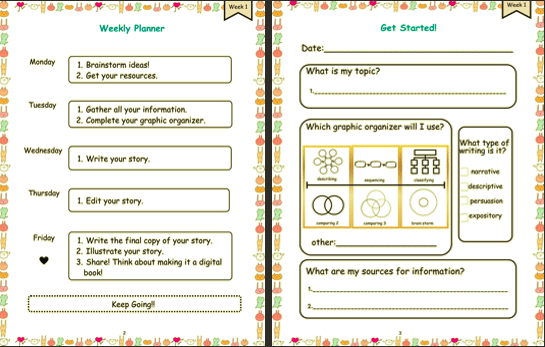
Images from My Weekly Writing Journal: 15 weeks of Writing for Primary Grades: Weekly Organizer Page and Get Started! Page, Week 1.
1. Weekly Organizer: At the beginning of each week, students will find a weekly organizer to plan their writing journey. This section will help them plan daily the writing process.
2. Get Started! Page: This page provides students with essential tools and tips to prepare for their writing journey. It offers guidance on clarifying topic, type of writing, choosing a thinking map, and choosing resources.
3. Graphic Organizer Page: The valuable space offers young writers the place to organize their information. It allows them to create visual representations of their thoughts and ideas, making the writing process more structured and coherent.
4. Rough Draft Pages: Two rough draft pages are included for each week’s prompt. Students can use these pages to jot down their initial thoughts, ideas, and sentences as they develop their stories and compositions.
5. Editing Checklists Page: Writing is not just about creativity; it’s also about learning to edit and revise. The editing checklists page helps students review their rough drafts and make improvements, focusing on spelling, grammar, punctuation, and other important elements of writing. It gives examples of editing marks and a place for notes.
6. Title Page with Illustration Space: Every great piece of writing deserves an eye-catching title and an accompanying illustration. This page allows students to showcase their creativity by adding a captivating title and a related picture.
7. Final Draft Pages: The three final draft pages give students the opportunity to present their polished work. They can neatly write out their stories, revise their illustrations, and create a clean and tidy version of their written masterpiece to share.
Fostering a Love for Writing
“My Weekly Writing Journal: 15 Weeks of Writing for Primary Grades” is more than just a tool for skill development; it’s a means to instill a love for writing in young learners. The structured format and interactive templates provide a step-by-step approach, instilling confidence and nurturing creativity in each student’s writing journey.
This journal invites students to explore a wide range of writing genres, from crafting imaginative stories to describing real-life experiences and even conducting simple research projects. Regardless of the topic, “My Weekly Writing Journal” offers a safe and inspiring space for young minds to express themselves and grow as writers.
A Journey of Self-Expression
As students progress through the weeks of “My Weekly Writing Journal: 15 Weeks of Writing for Primary Grades,” they embark on a delightful adventure of storytelling and self-expression. Each week brings fresh opportunities to become better writers and discover the sheer joy of putting their thoughts into words.
To extend and enrich the writing process, students are encouraged to take their writing to the next level through digital storytelling. This brings their work to life and includes skills such as presentation, using technology, and design. With this journal in hand, young learners will find their voices and develop the skills they need to become confident and capable writers.
Conclusion
“My Weekly Writing Journal: 15 Weeks of Writing for Primary Grades,” is more than just a writing tool; it’s a gateway to creativity, self-expression, and a lifelong love for writing. Designed to cater to the unique needs of primary grade students, this journal provides a structured, engaging, and interactive platform for young writers to hone their skills and let their creativity flourish. So, gear up for an incredible journey of writing, where every week promises new opportunities to become better writers and find the joy in expressing thoughts through words. Happy writing!
Parents hope to instill a love of reading that lasts a lifetime with their children. Reading is an essential skill that promotes cognitive, social, and emotional development, and is a crucial tool for academic and professional success. As parents, we understand this, so we stock our shelves with beautifully illustrated picture books and read to our little ones, snuggled on our laps or tucked in their beds. However, somewhere along the way, they stop consuming books as they did when they were younger, and they lose the love. As a parent and teacher, I often wonder: does the love of reading ever return?
It made me curious, so I delved a little deeper into the relationship between teens and books. In this article, you’ll learn about teenage reading habits, banned books, the impact of COVID, the rise of BookTok, as well as fun tips. Consider this information to help regain your teenager’s love of reading.
What does the Research Say?
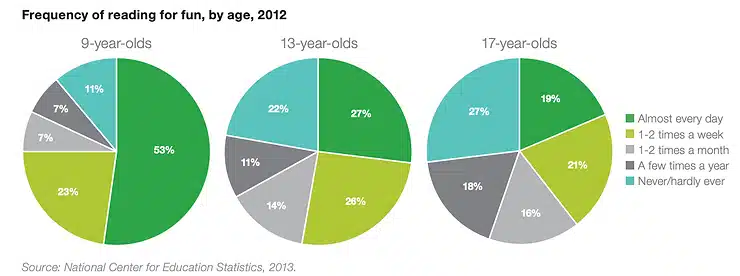
The number of adolescents who read every day significantly decreases as they transition from childhood to adolescence. Studies show a consistent decline in daily reading as children grow older, with a sharp drop by age nine that does not typically recover throughout adolescence (Scholastic, 2019). The Scholastic 2013 report indicated a decline in daily reading from 48% of 6- to 8-year-olds to 24% of 15- to 17-year-olds, while the National Center for Education Statistics (NCES) revealed a decrease from 53% of 9-year-olds to 19% of 17-year-olds (2013). Additionally, NCES indicated a decrease in the proportion of tweens and teens who read for pleasure at least once a week since 1984, from 81% to 76% among 9-year-olds, 70% to 53% among 13-year-olds, and 64% to 40% among 17-year-olds (2013). Furthermore, the percentage of teenagers who say they never or hardly ever read has increased from 8% of 13-year-olds and 9% of 17-year-olds in 1984 to 22% and 27%, respectively, at present (NCES, 2013).
Parent involvement matters. Half of parents with children under 12 read with their children every day, and 60% of children aged 8 and under read every day (Common Sense Media, 2013). Additionally, Scholastic estimates that 34% of 6- to 17-year-olds read every day, and there is a strong correlation between parents who set aside daily reading time and children who frequently read (2013). Specifically, 57% of parents of frequent readers establish daily reading time, while only 16% of parents of infrequent readers do the same.
Where: The Inner Universe of a Student With Divergent Learning
It was not too long ago, when my bright, creative third grader began to dread going to school, meeting each weekday morning with resistance, which at times was fierce.
The human need to belong to a group is rooted in survival. School age children feel this instinct acutely – at home, on the playground, and of course, in the classroom. For many students with learning differences, the primary objective in a traditional classroom is not learning, but acting, so as not to appear unlike the others. And still, it is not uncommon for these students to be the bullseye for bullies. More frustratingly, efforts to help these students (special classes, tutors, adjusted seating, etc.) often serve only to further define the separateness and validate to the child that they are different.
I would know, I lived this through my daughter. I am the Director of Admissions for Oakland School, and my daughter, Hadley, is also a student here. I will never forget picking her up after her first day at Oakland School Summer Camp, watching her bounce into the car, gleaming, ‘Mom! These kids are just like me!’
What I failed to fully appreciate until that moment was exactly how difficult her previous school experience had been for her.
I was witnessing a child who had just set down the cumulative weight of years of punishing self-talk because she was the only one in her class who couldn’t keep up, had a tutor, and in her mind was un-like everyone else. At Oakland, Hadley discovered a place where learning did not equate to the emotional pain of embarrassment and struggle. Hadley was relieved.
Margaret Shepherd, the founder of Oakland School, understood that learning in a traditional classroom is strained, if not near impossible, for a child who learns differently. She believed when a child feels truly safe in their environment, they can flourish. In the summer of 1950, Shepherd converted her historical family farm into Oakland School, a small co-ed day school and overnight summer camp program for elementary through middle school students. Set upon a backdrop of rolling hills, forests, horses and other farm animals, Oakland began by first bringing children who didn’t learn like everyone else, together.
How: Implementing The Oakland Way
Oakland School is founded on a commitment to the individual learner, and a community that backs this mission. Small class sizes and one-to-one instruction are hallmarks of an Oakland School Education.
At Oakland School children become confident self-advocates, curious learners, and grow moral character. ‘Where every student thrives’ is not just an idea, it’s a promise we have been keeping for the better part of a century.
The Oakland Way is grounded in the belief that once phonics foundations are solid, confidence is established, and the learning process can accelerate. The program uses a synthesis of several pioneering approaches including:
Oakland School teachers are well versed in these techniques, and most have advanced degrees and specializations – and some, decades of experience working with children who learn differently. One example is Oakland School’s horseback riding instructor, Sarah Bailey. For close to 30 years Sarah has been guiding Oakland students to respect, care for and ride a horse – helping these children to build confidence, set goals, focus, and work as a team. Believing children can – and will – attain success is at the core of an Oakland School education.
As Director of Admissions, the best part of my job is giving prospective students and their families a tour of the grounds. Oakland School, once just an 18th century farmhouse with outbuildings set on 450 acres, is a welcoming environment in every sense. Class sizes are small with an emphasis on multisensory and experiential learning. Foundations are built through individualized learning plans that are calibrated regularly. Children work at their own pace and to their own strengths.
Almost always on our tours we see a teacher working one-to-one with a student, children working independently or in small groups – with at least one volunteer eager to share what they love most about Oakland School. It is usually at this point of the tour, when, just like my daughter, the prospective student and family realize that learning can – and should – be a wonderful experience.
JCPal, a Canadian technology accessories company, has introduced a new keyboard protector for dyslexic students. Designed in collaboration with the Microsoft Devices Accessibility Team initially for the Surface Laptop Go and Surface Laptop SE devices, the VerSkin Inclusive Keyboard Protector is intended to make it easier for dyslexic students to navigate and familiarize themselves with the keyboard on their device.
The VerSkin is made with a black silicone material that sits snugly over the keyboard, protecting the device from dust and spills while adding a visual and tactile guide to the keys, making them easier to navigate.
Key features include:
Color-coded key zones differentiating consonant, vowel, number, symbol, and function key types
Large, bold, and high contrast key markings
Tactile L-shaped bumps marking the corners of the letter key area
Tactile dot bumps identifying Windows and Accessibility keys
The goal is to make the consonants and vowels easier to differentiate by using two cooler colors (blue, green) and marking the number keys in a warmer hue (purple). This vivid, high-contrast area is differentiated from the function and symbol keys which have light backgrounds and dark key markings. The colors on the protector have been chosen to be both easily identifiable (and color-blindness friendly) but also muted enough that they’ll be comfortable to use in a classroom environment where many students prefer to blend in with their peers.
Touch typing can be an essential and empowering skill for dyslexic students and the VerSkin features tactile bumps on the corners of the letter key area to help promote a consistent resting hand position and encourage the development of touch typing abilities.
The VerSkin recently won a coveted Red Dot award for its innovative design and thanks to its low cost and simple but effective approach it’s the type of product we’d like to see more of to support dyslexic students.
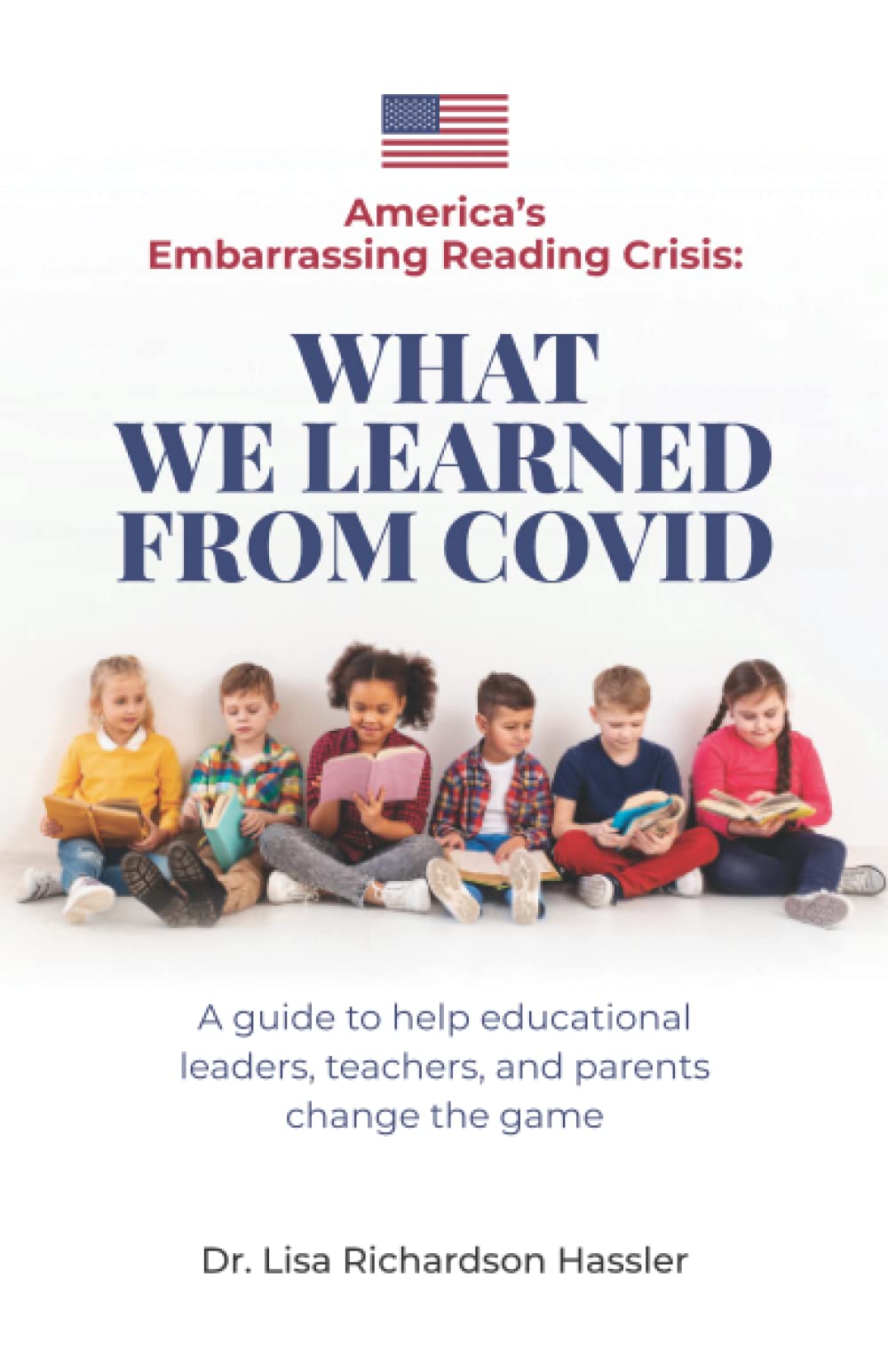
More than 80 percent of students who fail to earn a high school diploma were struggling readers in third grade. How many of these children had dyslexia and went through the educational system without proper diagnosis or interventions to help? We all want our children to learn and thrive. We want them to achieve measurable success–and live up to the vast potential inside each of them. But in order to do that, we must tackle the biggest problem facing America today: reading. Without proper reading skills, our workforce is less robust, job opportunities are more limited, and people’s lives are held hostage as their own self-worth becomes diminished. Yet, the pandemic brought forth valuable lessons. The global crisis shed light on another, lesser known, pandemic already in play for children across America. At first, parents, teachers, and other educators grappled with online teaching. Then, however, came profound lessons about teaching reading to young students–and the success that followed–because of virtual education.
America’s Embarrassing Reading Crisis: WHAT WE LEARNED FROM COVID is a reality check on an issue we have long been avoiding. Now, there are no more excuses; it’s time to take action. Author and accomplished educator Lisa Hassler dives into her own struggles and triumphs as a mother of a child with dyslexia and as a teacher to provide solutions to parents, teachers, and educational leaders in order to set our students up for successful futures. The key to raising successful children is setting the stage for being a successful adult. Hassler is not only sounding the alarm with this book some educators are calling “a must-read for modern classrooms,” she’s offering a framework by which to ensure young readers are reading on grade level starting today. All children can learn to read, and deserve a bright future.