Tag: writing

  • My Weekly Writing Journal: Nurturing Young Writers in Grades 1st-3rd

    My Weekly Writing Journal: Nurturing Young Writers in Grades 1st-3rd

    Dr. Lisa Richardson Hassler

    Introduction

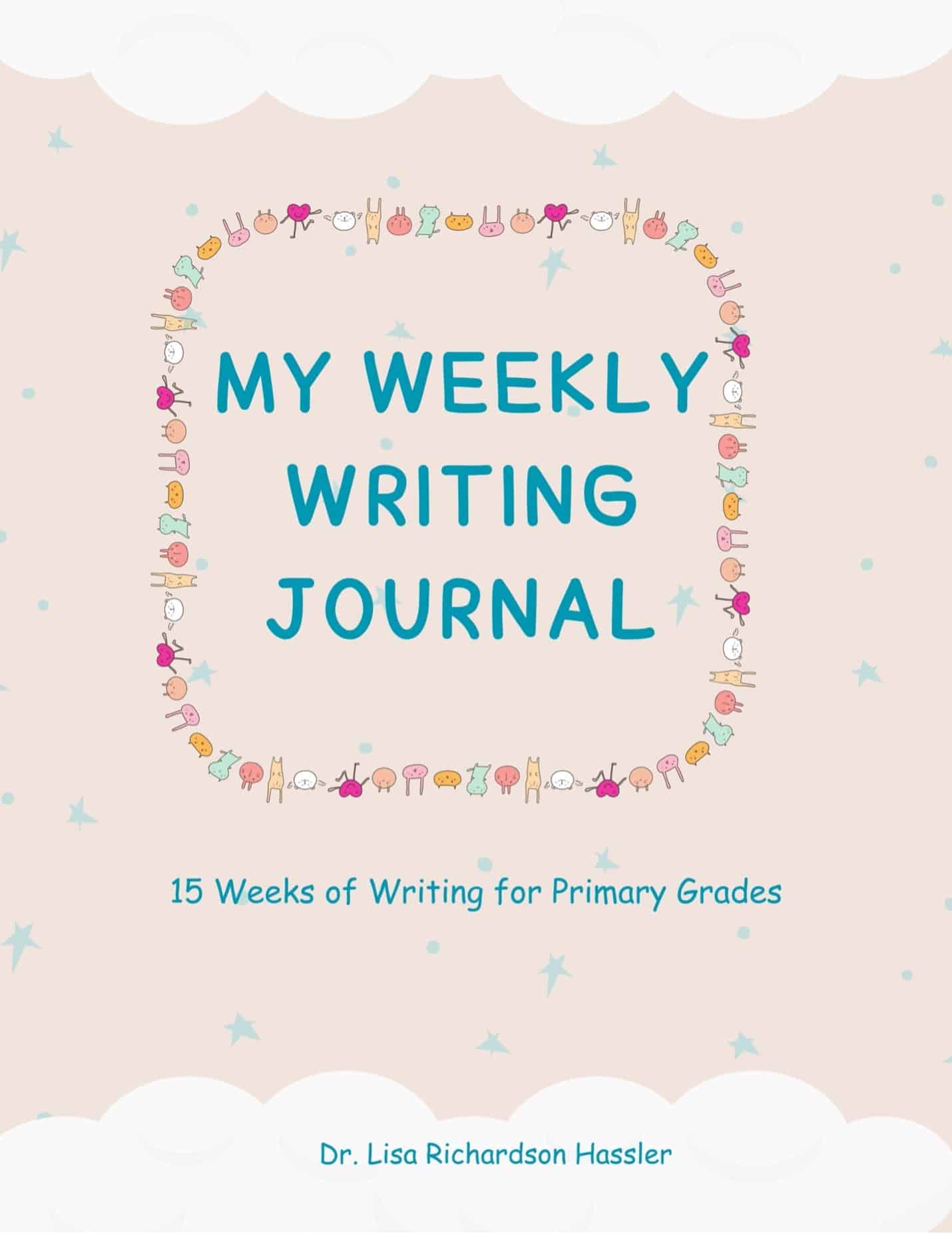
    Tired of grappling with the complexities of writing? Many students share your frustration. Fortunately, Dr. Lisa Richardson Hassler has created a solution—an all-inclusive writing tool for children called “My Weekly Writing Journal: 15 Weeks of Writing for Primary Grades.” This workbook-style journal available through Amazon, is designed with the student and teacher in mind. Engaging colors and graphics add to the content intended to simplify, support, and streamline the writing process, drawing upon the structure that Dr. Hassler successfully employed with her own first through third-grade students.

    The writing journey, as laid out in this journal, mirrors the way proficient writers work, encompassing prewriting, drafting, editing, rewriting, and finally, publishing. By embracing this systematic approach, students will find that writing can be broken down into manageable chunks, enabling them to focus on producing high-quality material.

    This creative expedition not only equips young writers with essential skills but also empowers them to express their thoughts and nurture their creativity. Seamlessly tailored to complement any Language Arts program, this journal is a convenient addition to the curriculum, requiring just 30 minutes a day. It’s the perfect companion for students in first through third grades, offering a supportive platform to embark on a rewarding writing journey.

    The Weekly Writing Adventure

    “My Weekly Writing Journal” takes young writers through a well-structured and engaging process that guides them through their literary exploration week by week. This comprehensive journal is equipped with the following components, each serving a unique purpose in nurturing young minds:
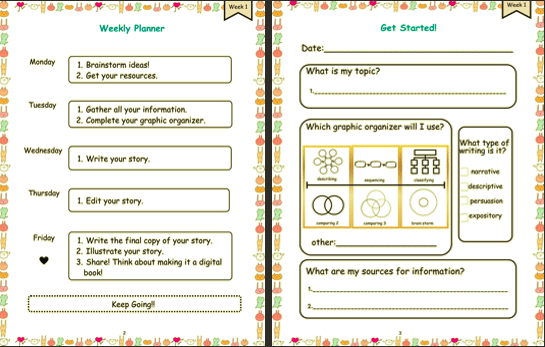
    Images from My Weekly Writing Journal: 15 weeks of Writing for Primary Grades: Weekly Organizer Page and Get Started! Page, Week 1.

    1. Weekly Organizer: At the beginning of each week, students will find a weekly organizer to plan their writing journey. This section will help them plan daily the writing process.

    2. Get Started! Page: This page provides students with essential tools and tips to prepare for their writing journey. It offers guidance on clarifying topic, type of writing, choosing a thinking map, and choosing resources.

    3. Graphic Organizer Page: The valuable space offers young writers the place to organize their information. It allows them to create visual representations of their thoughts and ideas, making the writing process more structured and coherent.

    4. Rough Draft Pages: Two rough draft pages are included for each week’s prompt. Students can use these pages to jot down their initial thoughts, ideas, and sentences as they develop their stories and compositions.

    5. Editing Checklists Page: Writing is not just about creativity; it’s also about learning to edit and revise. The editing checklists page helps students review their rough drafts and make improvements, focusing on spelling, grammar, punctuation, and other important elements of writing. It gives examples of editing marks and a place for notes.

    6. Title Page with Illustration Space: Every great piece of writing deserves an eye-catching title and an accompanying illustration. This page allows students to showcase their creativity by adding a captivating title and a related picture.

    7. Final Draft Pages: The three final draft pages give students the opportunity to present their polished work. They can neatly write out their stories, revise their illustrations, and create a clean and tidy version of their written masterpiece to share.

    Fostering a Love for Writing

    “My Weekly Writing Journal: 15 Weeks of Writing for Primary Grades” is more than just a tool for skill development; it’s a means to instill a love for writing in young learners. The structured format and interactive templates provide a step-by-step approach, instilling confidence and nurturing creativity in each student’s writing journey.

    This journal invites students to explore a wide range of writing genres, from crafting imaginative stories to describing real-life experiences and even conducting simple research projects. Regardless of the topic, “My Weekly Writing Journal” offers a safe and inspiring space for young minds to express themselves and grow as writers.

    A Journey of Self-Expression

    As students progress through the weeks of “My Weekly Writing Journal: 15 Weeks of Writing for Primary Grades,” they embark on a delightful adventure of storytelling and self-expression. Each week brings fresh opportunities to become better writers and discover the sheer joy of putting their thoughts into words.

    To extend and enrich the writing process, students are encouraged to take their writing to the next level through digital storytelling. This brings their work to life and includes skills such as presentation, using technology, and design. With this journal in hand, young learners will find their voices and develop the skills they need to become confident and capable writers.

    Conclusion

    My Weekly Writing Journal: 15 Weeks of Writing for Primary Grades,” is more than just a writing tool; it’s a gateway to creativity, self-expression, and a lifelong love for writing. Designed to cater to the unique needs of primary grade students, this journal provides a structured, engaging, and interactive platform for young writers to hone their skills and let their creativity flourish. So, gear up for an incredible journey of writing, where every week promises new opportunities to become better writers and find the joy in expressing thoughts through words. Happy writing!
  • When You Write p I See d

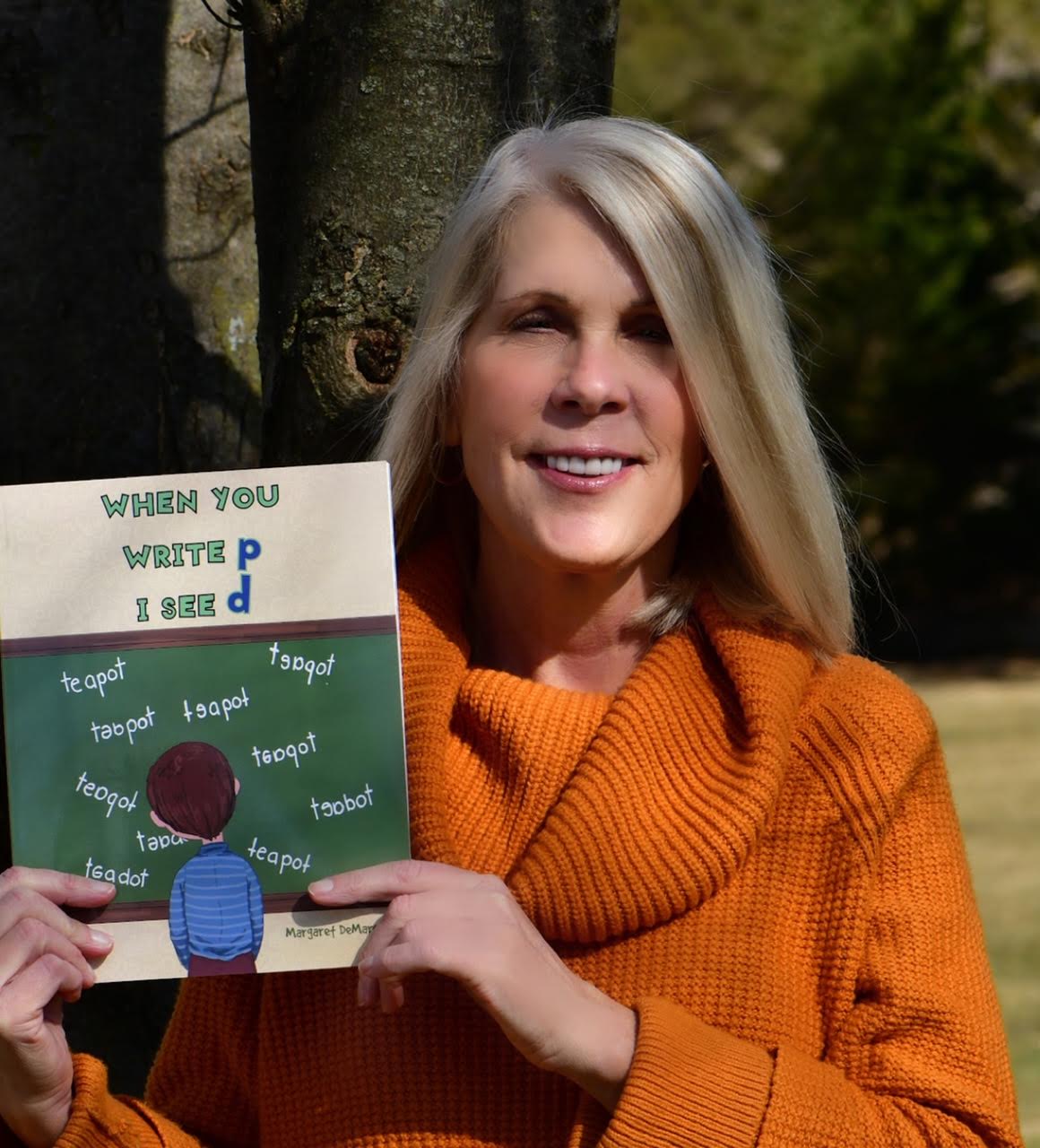
    by Margaret DeMarchi

    Attention to the social and emotional well-being of children has come to the forefront of education in recent years with good reason. As a special education teacher for the first 25 years of my teaching career, one of the greatest challenges I faced each day was helping children with dyslexia to believe in themselves and, most importantly, their ability to learn. While there is now a wealth of information to support and inform adults and educational professionals about dyslexia, little is available to help children understand and cope with their disability. Quite simply, I wrote When You Write p I See d to fill that void and to provide young children a necessary foundation of confidence and create a positive self-image to help them overcome the social and emotional challenges they face every day due to dyslexia or other learning disabilities. In short, the goal of this book is to empower students with the knowledge that they are not ‘dumb’ or ‘stupid’, but simply need to learn in a way that is different than their peers, and that’s okay! So often students, particularly those who are dyslexic, feel isolated and alone, that they are the only ones facing these challenges as they quietly watch their classmates quickly and easily decode a text or story and wonder why the same task seems so difficult or even impossible for them. With each passing grade level, feelings of insecurity and self-doubt grow until giving up, or acting out, seems the best choice.

    This story works to empower young learners, giving them the confidence to believe in themselves and achieve academic success by showcasing a character they can relate to, someone who looks like them, and faces the same challenges dealing with dyslexia. The character doubts himself, but learns he is special, smart and ultimately, successful, learning how to read and all the joy that accomplishment brings. A serious topic, dyslexia is shared in a kid-friendly story, with illustrations and a rhyming, engaging tone children will enjoy. Learning about new things, reading stories filled with fun and imagination is not out of reach for any student. Learning should be fun and my story, When You Write p I See d, shows every student that it is possible to enjoy reading and be a successful student.

    Amazon: https://www.amazon.com/When-You-Write-Margaret- Demarchi/dp/1637109652/ref=sr_1_1?keywords=When+You+Write+p+I+See+d&qid=1639059835& sr=8-1

    Barnes & Noble: https://www.barnesandnoble.com/w/when-you-write-p-i-see-d-margaret- demarchi/1140670262?ean=978163710965

  • Why Are Some Bilingual People Dyslexic in English but Not Their Other Language?

    Why Are Some Bilingual People Dyslexic in English but Not Their Other Language?


  • Dyslexia – Dyscalculia!?

    Stacks Image 0
    The authors, Dr. Astrid Kopp-Duller and Dr. Livia R. Pailer-Duller, describe in this publication the necessity of intervention at the educational-didactic level, which is of preeminent importance for success in the training of people who have problems with reading, writing, or calculating.
    Information on ordering is found here: https://www.dyslexia-dyscalculia.com/
    Available in English, German, and Spanish.
    It is a fact that many people who simply have problems with learning how to read, write, or do arithmetic continue to undergo only psychological or medical therapy, and don’t receive the educational-didactic assistance which they actually need. In cases of problems with reading, writing, or calculating, only the specially trained educator will be able to help these people using educational methods which have been developed through educational-didactic research.
  • How to Help Dyslexic Students with Writing

    How to Help Dyslexic Students with Writing

    When people hear or think about the word “dyslexia”, the first thing that comes to mind is reading problems. However, students with dyslexia often struggle with writing as well. Spelling, grammar, punctuation and sequencing can all be pain points with dyslexia.

    One of the best things about homeschooling a child with dyslexia, though, is the option to offer 1:1 instruction and try multiple dyslexia writing strategies. Once you find the one that best helps your child improve their writing skills, this can greatly boost your young writer’s confidence.

    Parents wondering how to help a dyslexic child write are usually curious about curriculum. Discover why online writing programs are often so effective for students with learning differences and about the features of Time4Learning’s writing curriculum that work especially well for these writers.

    • Can People With Dyslexia Write Well?
    • Writing and Dyslexia
    • Writing Strategies for Dyslexic Students
    • Online Writing Programs for Students with Dyslexia
    • How Time4Learning Writing Helps Students with Dyslexia

    Can People with Dyslexia Write Well?

    Although normally thought of as a reading disorder, dyslexia can also affect writing. Yet, that isn’t necessarily a bad thing. Some of the most celebrated authors in the world have (or had) dyslexia, including:

    • John Irving
    • W. B. Yeats
    • Jeanne Betancourt
    • George Bernard Shaw
    • F. Scott Fitzgerald
    • Agatha Christie

    When queried about their learning difference, many of those authors report it actually improved their writing because it forced them to think more creatively.

    Dave Pilkey, author of the Captain Underpants series, speaks about his dyslexia this way: “When I was a kid, comics were sort of my way of connecting with my classmates. I was often separated from everyone in my class… it was very tough, but comics and telling stories and being creative, that was my way to stay connected with everyone.”

    Continue reading here:

    https://www.time4learning.com/homeschooling/special-needs/dyslexia/writing-strategies.html

  • What is dyslexia?

    What is dyslexia?

    Dyslexia affects up to 1 in 5 people, but the experience of dyslexia isn’t always the same. This difficulty in processing language exists along a spectrum — one that doesn’t necessarily fit with labels like “normal” and “defective.” Kelli Sandman-Hurley urges us to think again about dyslexic brain function and to celebrate the neurodiversity of the human brain.

    Dr. Sally Shaywitz recently wrote, “In the case of dyslexia, (while there is always the desire for more), there is currently sufficient knowledge to do a far better job in identifying, intervening in and accommodating dyslexia. There is an unacceptable and harmful wide gap between the robust existing science of dyslexia and how this knowledge is implemented, typically not implemented, by schools. In dyslexia, there is not a knowledge gap but rather an action gap. As a consequence, dyslexic children frequently go unidentified, unremediated, and unaccommodated, with great harm to the children, to their families, and to society. Educators must act to translate this body of converging science into policy and practice. Our children’s lives and futures (human capital) are too precious to waste.” We could not agree more!

    Watch this compelling video and then visit “What is dyslexia?” on Ed.ted for more information, discussions, and links.

  • 1500 free worksheets

    1500 free worksheets

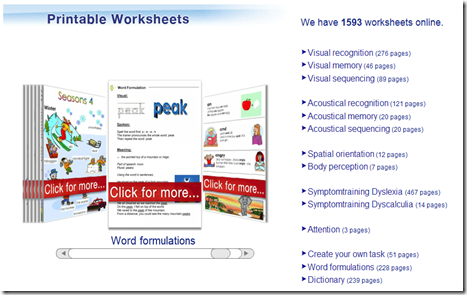
    The American Dyslexia Association offers more than 1500 free worksheets on its website. The worksheets follow the AFS-method , a very successful method to help children with dyslexia and dyscalculia. If a child has dyslexia or dyscalculia, it is not enough to work on the mistakes. The child also has to learn to be attentive all the time when reading, writing, and calculating. Furthermore, it is important to train the child’s perception to improve reading, writing, and calculating skills.

    Dyslexia, worksheets, free, parents, children, homeschooling, reading, writing, AFS-method


    Access the worksheets

  • Dino – Perception Training

    Dino – Perception Training


    Dino – Perception Training –  is today’s freebie:

    Arrange dinos from small to big, find the dino that is exactly the same, and find pieces from a picture. These exercises train visual and spatial perception and attention – important skills for reading, writing, and calculating.

    DOWNLOAD (6 MB – file may take a while to load)

    CHECK OUT OUR FREEBIES

  • Ways Parents Can Help with Spelling

    Ways Parents Can Help with Spelling

    This nice infographic shows how parents can help their children with spelling (Source).

    dyslexia, spelling, parents, children, help